The Issues
Effective Foreign Assistance Makes America Stronger
The ONE Campaign urges Congress to:
- Continue funding proven, high-impact programs like PEPFAR, Gavi, the Global Fund, the Millennium Challenge Corporation (MCC), the Development Finance Corporation (DFC), the International Development Association (IDA), and the African Development Fund, which save lives, build stable partners, and keep Americans safe.
- Ensure that the administration spends the funds appropriated by Congress for these purposes.
- Reauthorize the U.S. Development Finance Corporation (DFC) to continue mobilizing private capital to drive economic growth and advance US strategic Interests.
Saving Lives
Key US global health investments save millions of lives, promote stability worldwide, and protect Americans by reducing the threat that emerging diseases will reach our shores. Recent polling indicates that Americans of all political affiliations strongly support funding US efforts to combat disease abroad.

The President’s Emergency Plan for AIDS Relief (PEPFAR)
- In addition to saving 26 million lives, PEPFAR’s phenomenally successful global fight against HIV/AIDS promotes long-term growth. Per capita GDP growth in PEPFAR countries was nearly 50% higher than it would have been without PEPFAR, and children’s out-of-school rates have dropped by nearly 10%.
- The US is laying the groundwork for country self-sufficiency. Over half of PEPFAR’s funds go to local partners, and its latest five-year strategy focuses on strengthening local health systems and sustainability. Countries are working to develop off-ramp strategies and rely less on foreign assistance.
- Without US support through PEPFAR, global progress would reverse, threatening a potential sixfold increase in HIV infections and tenfold increase in AIDS-related deaths (to 6.3 million, orphaning 3.4 million children) by 2029.
Gavi, the Vaccine Alliance
- Gavi is a public-private partnership that gives millions of children access to lifesaving vaccines. Young children in Gavi-supported countries are now 70% less likely to die from a preventable disease than when the program began in 2000. Every $1 invested in immunization returns an estimated $54 in wider economic benefits, including savings in health care costs and lost wages and productivity.
- Gavi spends more in the United States than the US spends on Gavi, purchasing American-made vaccines and goods that support jobs in Alabama, Connecticut, Kentucky, Massachusetts, Michigan, Missouri, Montana, Nebraska, New York, North Carolina, Pennsylvania, Texas, Utah, and Virginia.
- Gavi drives self-sufficiency by requiring countries to co-finance vaccine programs. 19 countries have graduated from Gavi support and are self-financing their own vaccine programs. By 2030, over 25% of the original lower-income countries supported by Gavi will be fully funding their own programs.
The Global Fund to Fight AIDS, Tuberculosis, and Malaria (The Global Fund)
- Created in 2002 as a global public-private partnership to coordinate investments to fight HIV, TB, and malaria, the Global Fund has helped save 65 million lives – nearly the population of Texas and California combined – and has cut the combined death rate from AIDS, TB, and malaria by 61%.
- Every $1 invested in the Global Fund generates estimated returns of $31 in health and economic benefits, and Global Fund investments have generated an estimated $400 billion in direct economic gains due to improvements in workforce productivity.
- The Global Fund requires recipient governments to pay for a portion of the program, encouraging countries to increase their own domestic health spending and move away from reliance on external aid.
- The Global Fund supports American jobs and businesses, procuring more than $3.5 billion from companies in California, Florida, Georgia, Illinois, Indiana, Massachusetts, New Jersey, New York, Pennsylvania, South Carolina, Washington, and Wisconsin over the past 15 years.
Economic Development and Poverty Alleviation
US investments in economic development have helped lift hundreds of millions of people out of extreme poverty, contributed to economic growth, and significantly expanded peace and prosperity. In 2000, more than 1 in 4 people lived in extreme poverty. Today that number is fewer than 1 in 10.

- The Millennium Challenge Corporation (MCC) is a US government agency established in 2004 that works to reduce poverty through sustainable economic growth by partnering with countries that demonstrate a commitment to good governance and economic freedom. The MCC stands out for its commitment to transparency, competitive selection process, and focus on country-led solutions.
The US does not work alone. Partnerships with the private sector and multilateral development banks unlock development finance and maximize the impact of US investments.
- By mobilizing private capital, the U.S. International Development Finance Corporation (DFC) committed a record $12 billion last year to projects driving economic growth and advancing US strategic interests. With a $50 billion portfolio of active investments in 114 countries (and Africa its largest market), the DFC is competing with the People’s Republic of China (PRC), whose predatory lending practices expand China’s influence around the world. The DFC needs to be reauthorized by Congress by October.
- The World Bank’s International Development Association (IDA) serves the world’s poorest countries with low-interest loans and grants, assisting their development toward self-sufficiency. Every $1 the US contributes catalyzes approximately $27 in additional IDA resources. Between 2012 and 2023 IDA support provided 1.18 billion people with essential health services, 117 million people with improved access to water, and 92 million people with new or improved electricity services. Since 1960, 36 countries have graduated from being supported by IDA to becoming IDA donors.
- The African Development Fund of the African Development Bank provides low-interest finance, risk insurance, and technical assistance to low-income countries in Africa, helping to connect millions of Africans to electricity, build roads critical for regional trade, and improve agriculture, transportation, water and sanitation. The United States is the Fund’s largest non-African shareholder, and continued US investment is critical to continuing the Fund’s successful track record of tackling Africa’s acute development challenges.
ONE’s Government Relations Team
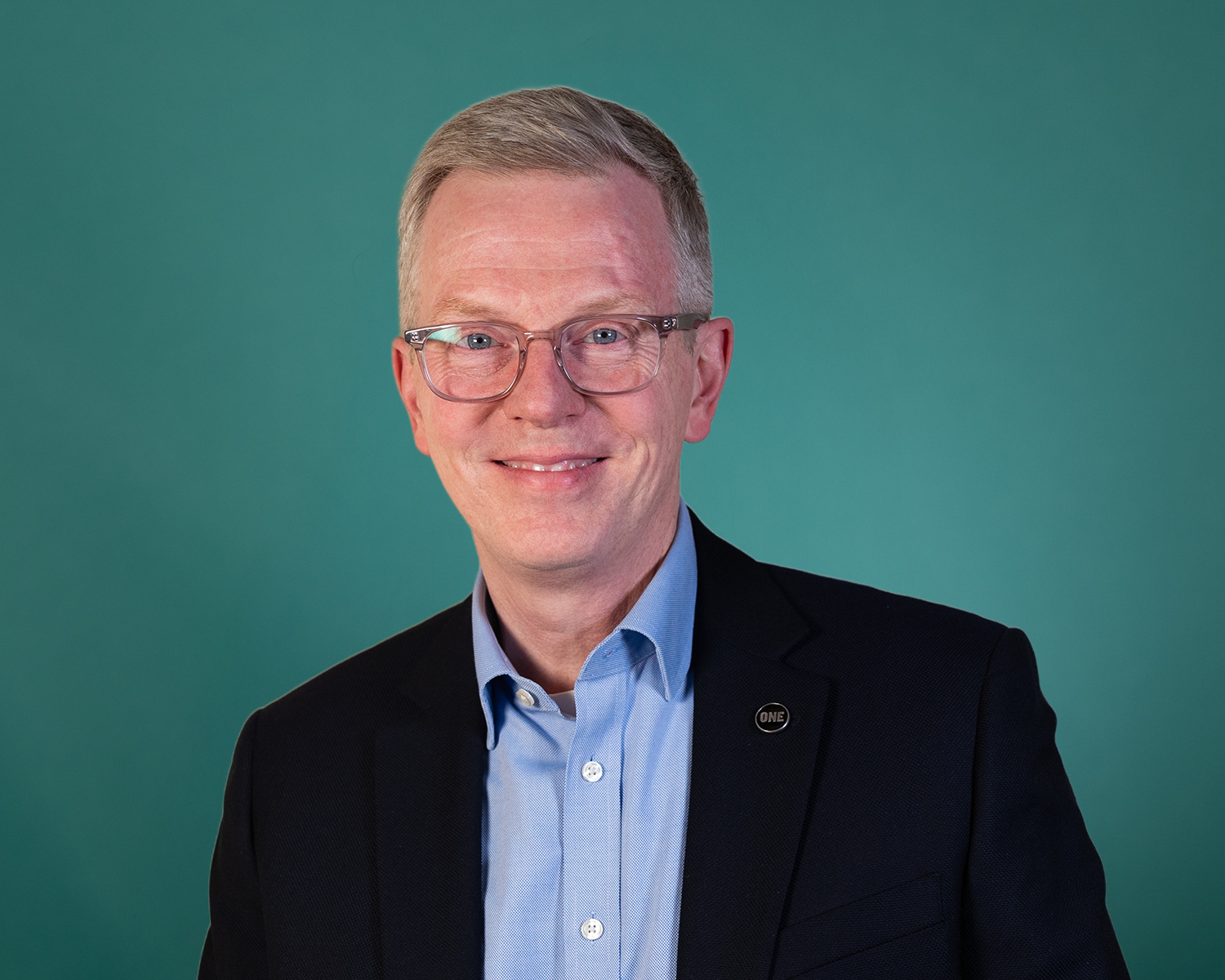
Doug Anderson
Senior Director, US Government Relations
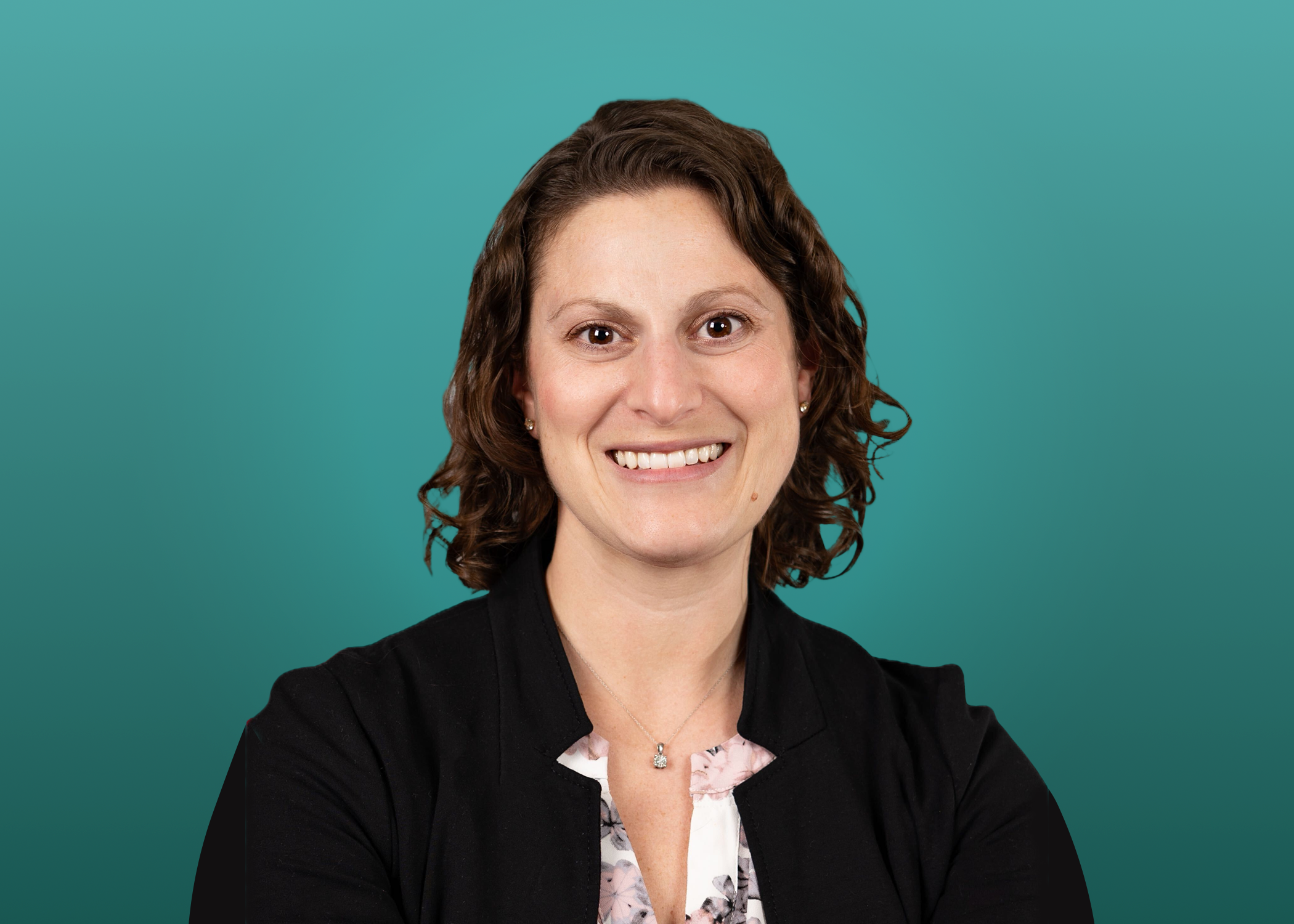
Frieda Arenos
Director, US Government Relations
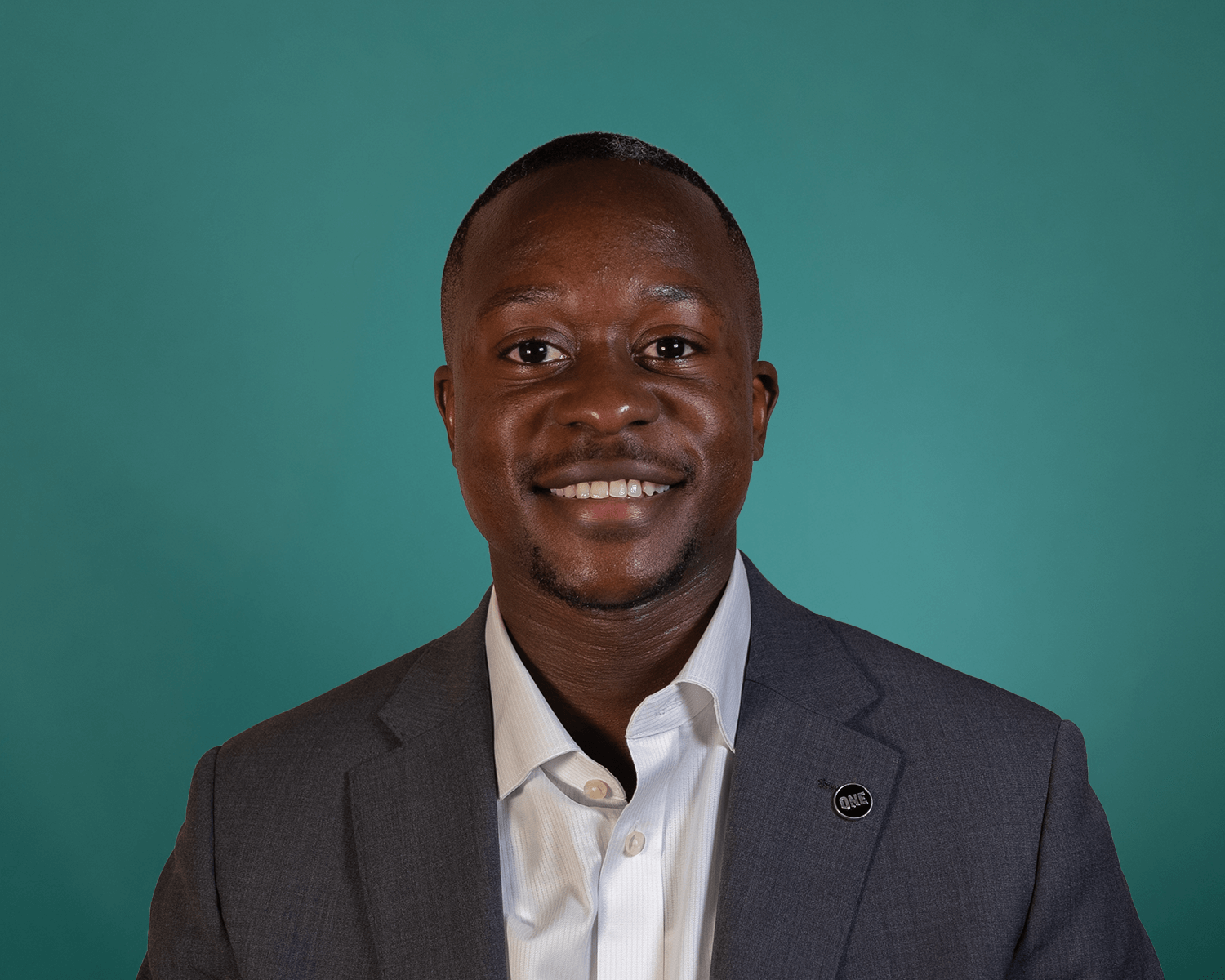
Rodney Kazibwe
Director, US Government Relations