As the EU negotiates its next long term budget, the decisions made now will shape Europe’s role in the world for years to come. The Multiannual Financial Framework (MFF) determines how much the EU invests in global health, education, climate action, equality, and partnerships.
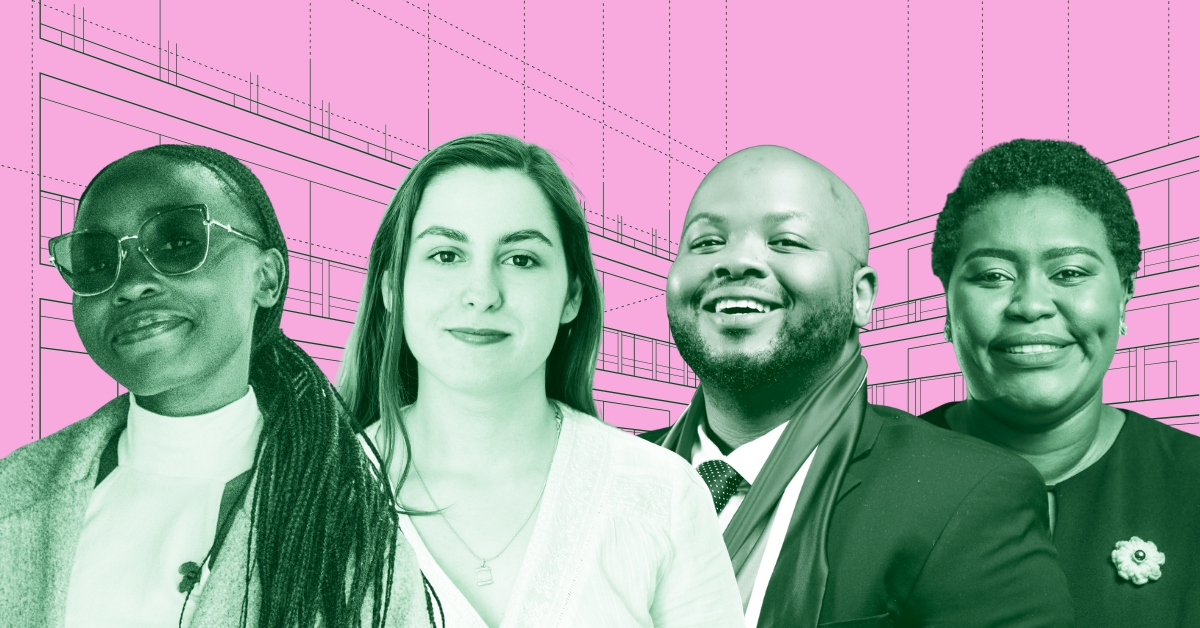
Young advocates from across Europe and Africa are calling on EU leaders to invest in people and partnerships that allow communities to plan, grow, and thrive.
Their stories are diverse, but each voice makes the same case: Europe’s budget must lay foundations for shared prosperity across continents. Sign our petition for a strong MFF to show your support!
Cecilia de Diego Manrique
Defending rural communities and shaping a fair green transition in Spain
Cecilia has spent the past three years working with the United Nations across Latin America on gender equality and sustainable development. She grew up in Las Merindades, in rural Castilla y León:
It’s part of what in Spain we call “la España vaciada”, rural areas that have lost people and opportunities over time due to long-term underinvestment. That reality shaped my own choices, even as I had the support to study and work elsewhere. Seeing that contrast up close is what led me to join ONE, because development only works when equality is its foundation.
With the UN, Cecilia has worked alongside Indigenous women and local communities protecting land, water, and food systems. She describes learning from people who have defended their territories for generations, often without recognition or resources.
She sees these lessons at home, too. Her aunt in Las Merindades has long opposed fracking, supported local food production, and raised concerns about how large wind energy projects are designed and how they affect landscapes and livelihoods.
From rural Spain to Latin America to communities across Africa, the pattern is the same: decisions are made far from the people most affected. Development finance can either reinforce that distance or shift power closer to communities. The difference lies in who sets priorities and who benefits.
Climate solutions work best when we listen to local people who know their land, whether they’re on another continent or right at home.
At a time when pushback against rights and equality is growing across Europe, young activists like Cecilia have a role to play in keeping those values on the agenda. Political leaders must be reminded of their responsibilities to look beyond short-term interests and make steady and principled choices; a green transition that overlooks rural communities risks deepening divides.
Investing in a green future is essential, but it’s not enough on its own. How that transition is designed, and who it serves, matters just as much.
In its long-term budget, the EU must reintroduce clear targets for climate action and gender equality, and ensure that its green transition strategy centers local communities.
Sally Ndwiga
Supporting women’s skills and leadership to build climate resilience in Kenya
Sally Ndwiga is a Kenyan gender equality advocate and the founder of The Femiscope Initiative. She joined ONE to push for climate and gender policies that reflect lived realities in communities facing rising costs, climate shocks, and unequal access to opportunity.
For Sally, climate change and inequality shape daily life in Githurai, the community where she grew up. Kenya has endured five consecutive failed rainy seasons, alongside food prices rising by up to 30% in vulnerable areas. These pressures fall hardest on women and girls, who absorb rising unpaid care work and are often the first to lose access to education and income.
She joined ONE to challenge this imbalance and advocate for solutions that address climate and gender together. Her work with The Femiscope Initiative focuses on building practical skills and leadership among girls and young women, many from households affected by drought and food shortages.
One participant used digital marketing skills from our program to help a small grocery business recover after climate-driven supply disruptions. Given that women contribute 60–80% of agricultural labor in Kenya, when girls gain skills and leadership spaces, they help build resilience for entire communities.
Sally also sees young people driving change. Kenya’s population is predominantly young, and she describes a generation using digital tools to track floods, promote clean energy, and support women-led microbusinesses after climate impacts.
It’s imperative for EU decisionmakers to invest in a green and fair future through the next long-term budget, allocating at least 50% towards projects that help fight climate change and protect nature.
Kenya emits little of global emissions, but has endured the region’s worst droughts in decades. Supporting Africa’s renewable energy potential and women’s leadership creates jobs, strengthens communities, and promotes shared prosperity. The next MFF can decide whether our future is fragile or hopeful.
Show your support for our advocates and strengthen the call on the EU to deliver for people and planet in the next MFF. Sign our petition now!