The headlines are impossible to scroll past. The World Health Organization has declared the Ebola outbreak sweeping through the Democratic Republic of the Congo and Uganda a global health emergency.
But with any rapidly evolving crisis, it is challenging to determine what is happening at any given moment. We asked Dr. William Menson, ONE’s Director of Health Financing for Africa, to help give us the facts about the current Ebola outbreak and what you should know now.
Below is the conversation, lightly edited and condensed for clarity.
What is the Ebola virus?
The Ebola virus is a deadly zoonotic virus. It was first identified in 1976, during outbreaks in what are now the Democratic Republic of Congo and South Sudan, and is believed to have an animal origin, with bats considered a likely reservoir, though the exact spillover pathway is not always known. Ebola is spread between humans through direct contact with the blood or body fluids of a person who is sick with or has died from Ebola, or through contaminated objects such as needles, bedding, or medical equipment. The virus causes fever, weakness, muscle pain, headache, vomiting, diarrhea, and, in some cases, bleeding, and can lead to organ failure and hemorrhagic fever.
The current outbreak in DRC and Uganda is being caused by the Bundibugyo virus, a rarer form, which does not have any approved vaccines or treatments, and has had fatality rates of roughly 30–50% in past outbreaks; the fatality rate in this outbreak is still being assessed as surveillance improves.
Why is this Ebola outbreak different from previous outbreaks?
First, the Bundibugyo Ebola strain is rare and less familiar to many health systems than the Zaire Ebola virus. Some of the tests that were initially used to detect this outbreak did not reveal the strain of virus right away, which is in part why response measures did not begin until after the virus had already started to spread. Also, there is no approved vaccine or treatment for Bundibugyo making it difficult to treat patients with virus-specific tools or prevent spread through vaccination campaigns in the way responders can for Zaire Ebola virus.
Compounding this outbreak is that it is occurring in the eastern province and surrounding areas of the Democratic Republic of Congo, which has faced persistent violence and conflict between warring groups for several years. The conflict has resulted in hundreds of civilian deaths and widespread forced displacement of people across the region. In addition, an estimated 26.6 million people face acute food insecurity across the country, a factor that reduces immunity and can lead to more people contracting the virus.
Though countries are acting swiftly to surge support now after the outbreak has been detected, the fact that the health systems themselves were poorly staffed and equipped to manage a health crisis means they were starting at a disadvantage.
Why is this Ebola outbreak different from COVID-19?
First, it is important to note that COVID-19 caused a worldwide pandemic. A pandemic is defined as an epidemic that has spread across countries or continents and affects a large number of people. The Ebola outbreak is a regional epidemic that currently exists in the Democratic Republic of Congo and Uganda. Ebola is very serious, highly deadly, and requires a rapid, intensive public-health response. However, the scale of the two are very different, as are the viruses themselves.
COVID-19 is a highly contagious disease that can be spread between individuals through the air, meaning you can catch it from respiratory particles released when an infected person breathes, speaks, coughs, or sneezes. In this way, COVID-19 is much easier to catch than Ebola, and very difficult to trace, as the virus travels quickly and more easily.
When someone caring for an Ebola patient develops symptoms, what makes the difference between fear spreading and lives being saved?
The safest way to care for a loved one who may have Ebola is to get trained health workers involved immediately. Ebola care should not happen at home unless local health authorities specifically direct and support it. You just have to be safe and create a protective barrier between yourself and the infected individual. This is very difficult when you are caring for someone close to you. Of course, you want to be there for them in every way possible. Unfortunately, coming into direct contact with an infected individual, even after they have died, is very dangerous and it can put caregivers at serious risk.
That is why individuals caring for their sick should call health authorities or trained response teams immediately, avoid direct physical contact, and allow trained personnel with appropriate personal protective equipment to provide care.
That is why it is advised to ensure safe and dignified burials, carried out by trained teams using appropriate protective equipment, while working with families and religious or community leaders to respect mourning practices as much as possible without increasing the risk of transmission.
What happens when communities do not trust disease response measures? How can the governments and partners involved in the response rebuild that trust before more lives are lost?
Ultimately, we can build trust in communities by showing up, respecting cultural practices and rituals, and approaching response through respect and humility. At the same time, we must ensure that impacted communities understand the severity of Ebola and are provided tangible ways in which they can protect themselves and their loved ones from further exposure and find safe, verified care as early as possible.
Why does supporting the Ebola response in DRC and Uganda protect not only affected families, but also the world at large?
Ebola is a deadly virus, and without proper containment measures in place, it could continue to spread more broadly across the African continent and beyond. A global Ebola outbreak would be catastrophic. As a doctor, my first and primary goal is always to keep people safe and stop the spread. That is what we need to focus on now – doing everything we can to stop the outbreak and contain it from spreading further.
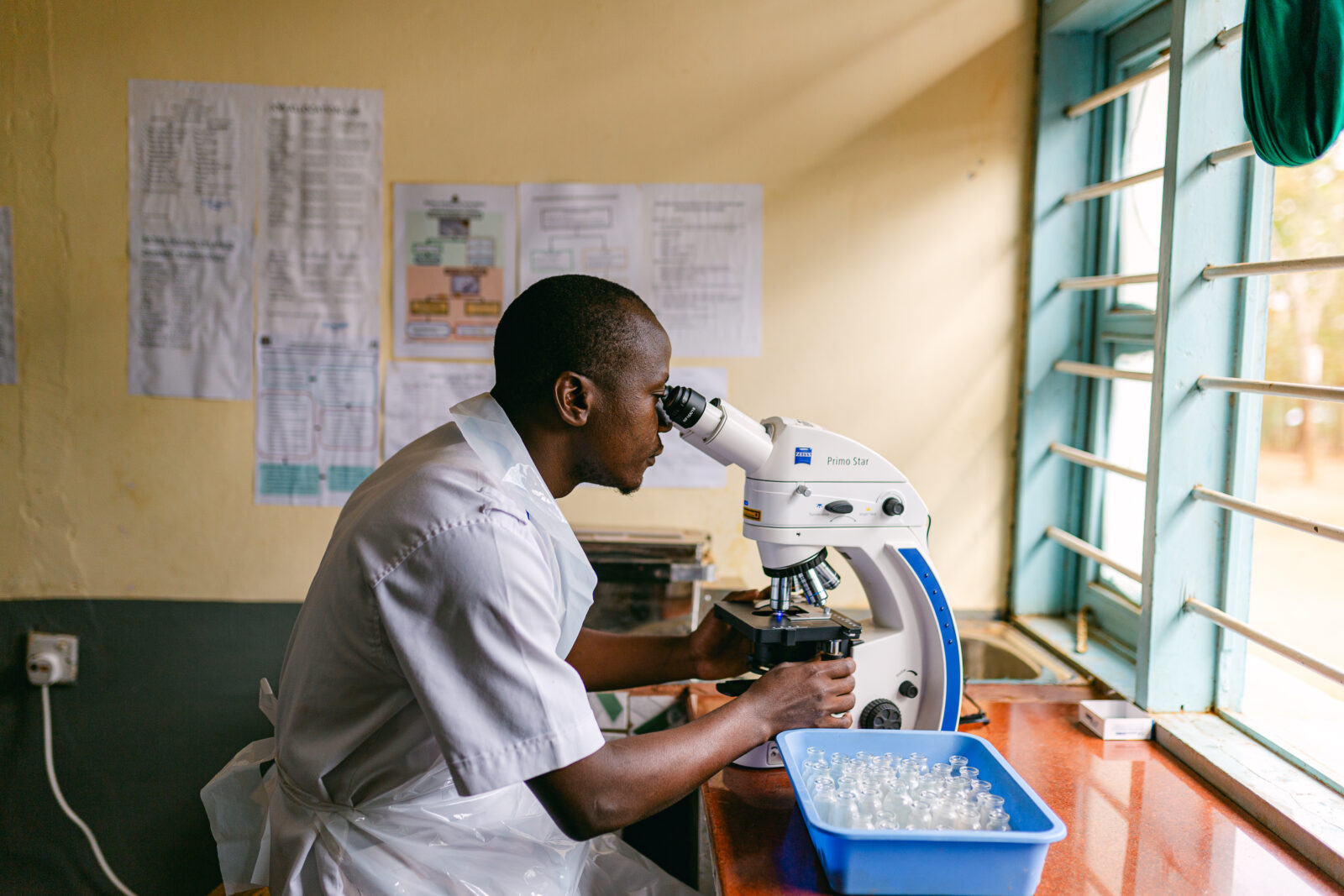
This requires surging resources to communities across DRC, Uganda, and in neighboring countries that allow healthcare workers to contact trace, test appropriately, monitor individuals at borders and within communities, strengthen laboratory and health-facility infection prevention protocols, provide PPE, supporting communities that have been impacted or lost individuals with safe burials, and where necessary, safely monitor or isolate people who may have been exposed, in line with public-health guidance.
What can people around the world do to help stop the spread of Ebola?
It is important to educate yourself on Ebola and understand how it spreads. Anyone with possible Ebola symptoms after travel to or contact with an affected area should call health authorities or a healthcare provider before going to a clinic or emergency room, so they can be assessed safely and without exposing others. Share your concerns with lawmakers and those who are in a position of influence. Help them understand why a continued surge of resources like PPE and healthcare workers to the African continent is vitally important, in addition to monitoring procedures at borders and for travelers.
How can we ensure that investments made today on disease surveillance, laboratories, healthcare workers, and emergency coordination will lead to better systems that can withstand future health crises and contain outbreaks more effectively at their source?
Countries must invest in health crisis preparedness and response, not when an outbreak occurs, but at all times so that we are not left in a position of reactivity, but of strength from the beginning. This is unfortunately not the last time we will witness a serious health outbreak. We must invest in the systems, personnel, and resources necessary to keep people safe, especially in harder to reach areas, to save more lives. This goes for Africa and the wider world.