You’ve probably never heard of AGOA. But some of the clothing, car parts, maybe even a specialty food product in your shopping cart, got to you because of it.
AGOA stands for the African Growth and Opportunity Act. It’s a US trade law that allows goods made in eligible African countries to enter the United States without import taxes known as tariffs (also called duty-free access). For 26 years, AGOA has helped strengthen commercial ties between the US and African countries, benefiting workers and businesses on both sides of the Atlantic Ocean.
But it expires on December 31, 2026.
So what does AGOA actually do?
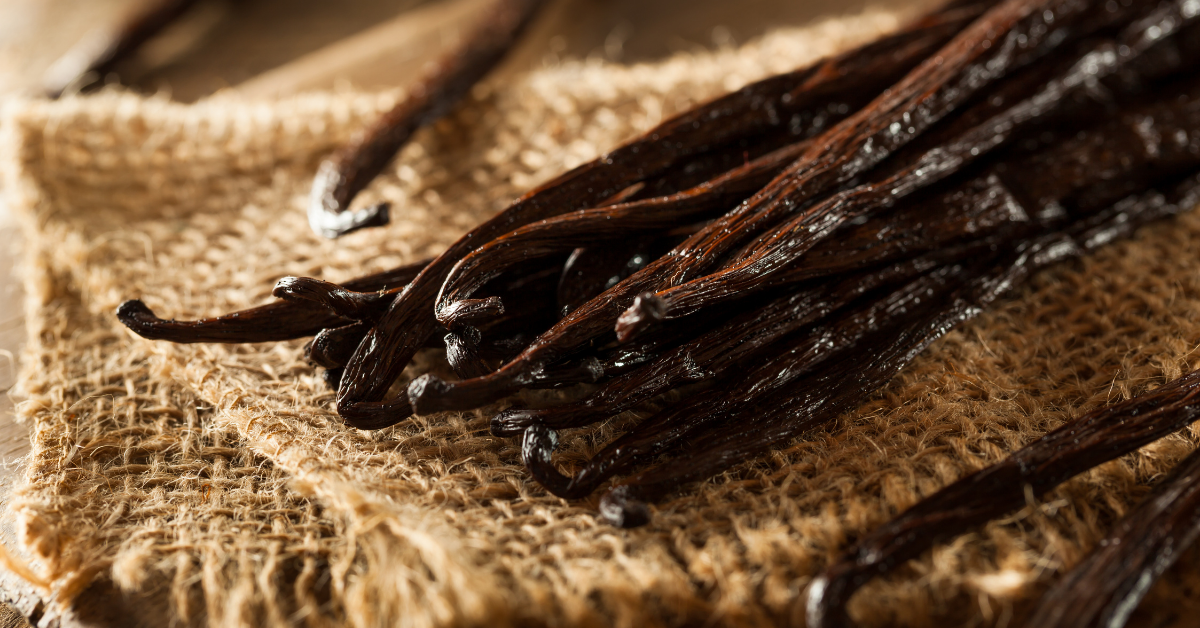
Think of it this way: Madagascar produces roughly 80% of the world’s vanilla. That vanilla ends up in the extract on your shelf, the ice cream in your freezer, and the chocolate chip cookies you pull out of the oven. Under AGOA, it enters the US without tariffs, helping to keep costs lower for American food companies and for you at the grocery store.
The same principle applies to clothing made in Ethiopia, auto parts from South Africa, or cut flowers from Kenya. AGOA removes tariffs for qualifying African countries, lowering costs for American importers and consumers while creating jobs and economic opportunity across the continent. And it’s not a one-way street; US exports to AGOA countries have grown nearly 300% since the program began, supporting an estimated 100,000 American jobs.
Why does it need to be reauthorized?
Like many laws, AGOA doesn’t last forever automatically. Congress built in an expiration date, which means lawmakers have to vote to renew it. Without that vote, the law simply stops, and all those duty-free trade benefits disappear immediately.
What ONE and its partners are doing about it
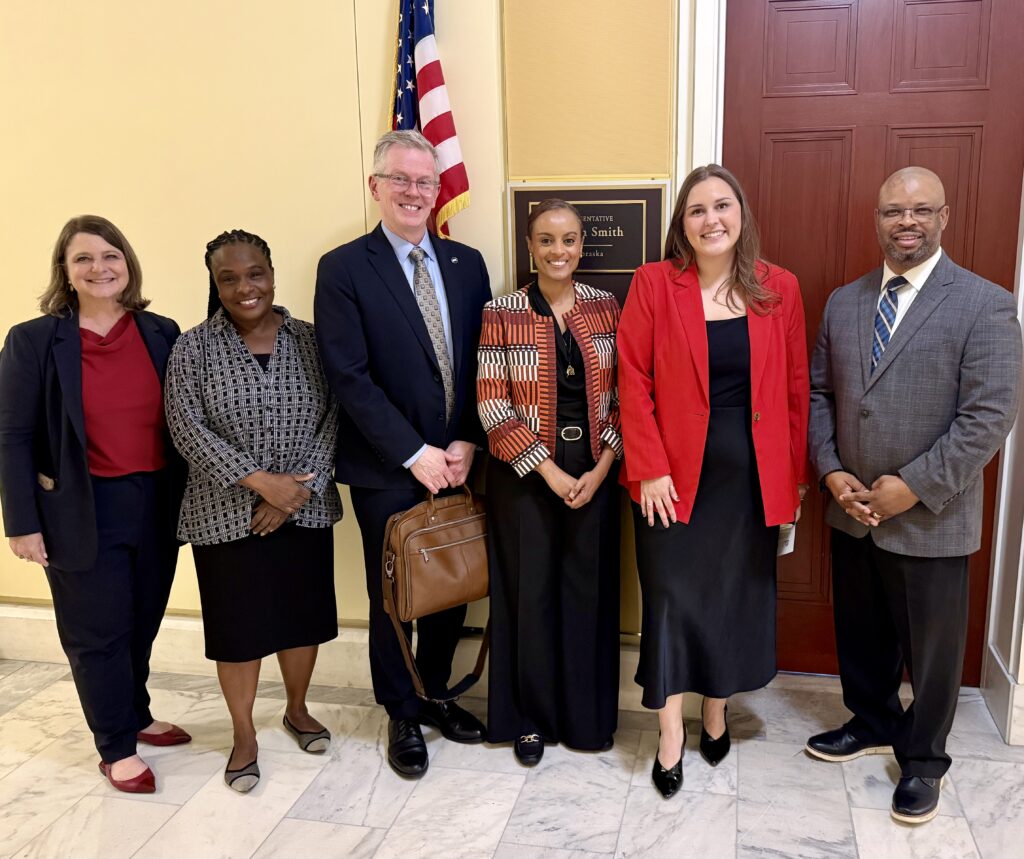
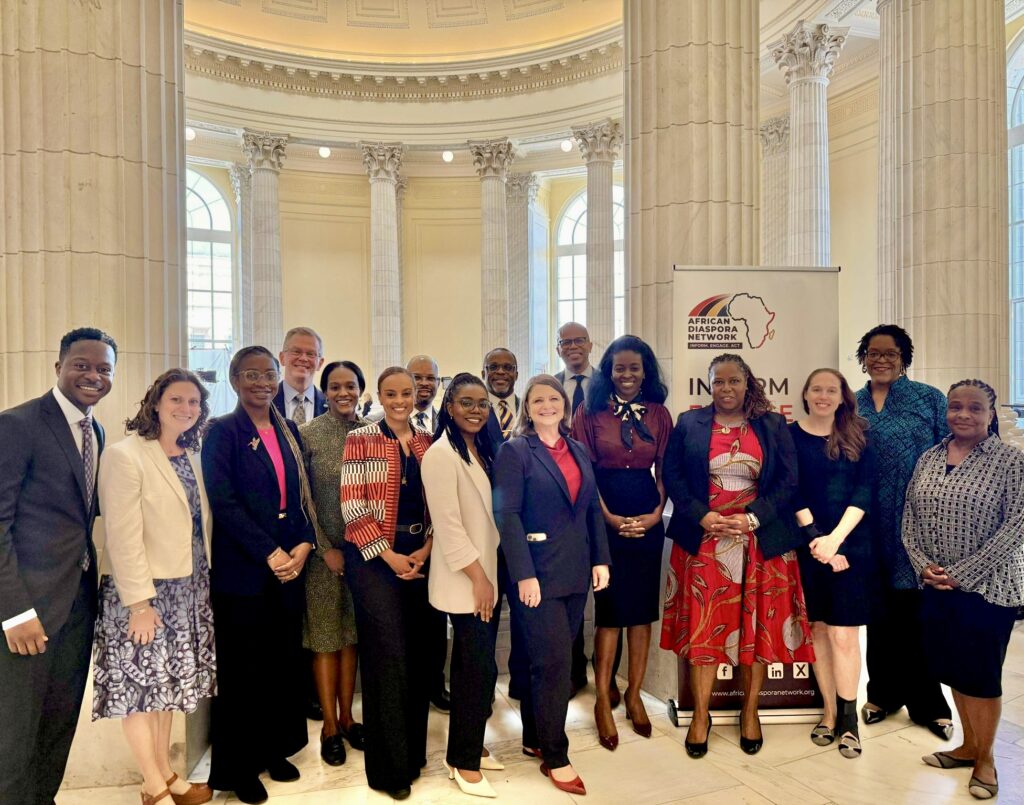
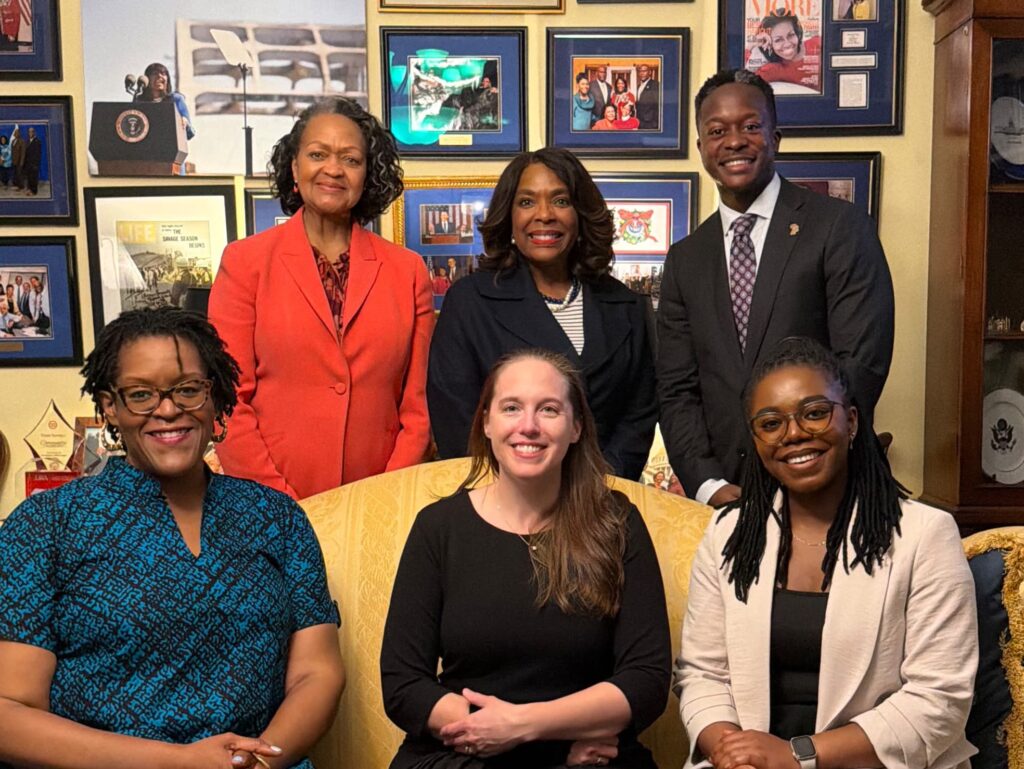
On May 13, ONE organized a Hill Day in partnership with the African Diaspora Network (ADN), bringing 22 advocates to Capitol Hill to urge Congress to extend and strengthen AGOA before it expires. The group held 18 in-depth meetings with senior staff from every major committee with jurisdiction, and met personally with Sen. Chris Van Hollen (D-MD), a member on the Senate Foreign Relations Committee, Foreign Affairs Chairman Emeritus Michael McCaul (R-TX), and Rep. Terri Sewell (D-AL) a member on the House Ways and Means Committee.
The meetings generated meaningful bipartisan support, an encouraging sign in today’s polarized political environment. But real challenges remain on the path to reauthorization.
What happens if Congress doesn’t act?
If AGOA expires without reauthorization, the consequences are real and fast. Factories and businesses in Africa that rely on US market access would face sudden new costs, disrupting trade relationships that benefit both sides. American consumers and businesses would face higher costs for everyday goods. While African workers, including women in the textile and agriculture sectors, would lose their jobs. And the US would lose a powerful, low-cost tool for building economic partnerships with a continent of 1.4 billion people.
More broadly, letting AGOA lapse sends a message: that the United States isn’t a reliable long-term partner. At a time when strategic competitors, like China are actively competing and expanding their influence in Africa, that’s a costly signal to send.
The bottom line
AGOA is one of those rare policies that earns support across party lines because it works. We brought this message to Capitol Hill, now help us take it one step further. Tell Congress to renew AGOA before December 31.