The world’s biggest conversations don’t always begin in boardrooms or the halls of Congress. Sometimes they begin on a basketball court, in a locker room, on a soccer field, or through the voice of an athlete whose story reaches millions of people.
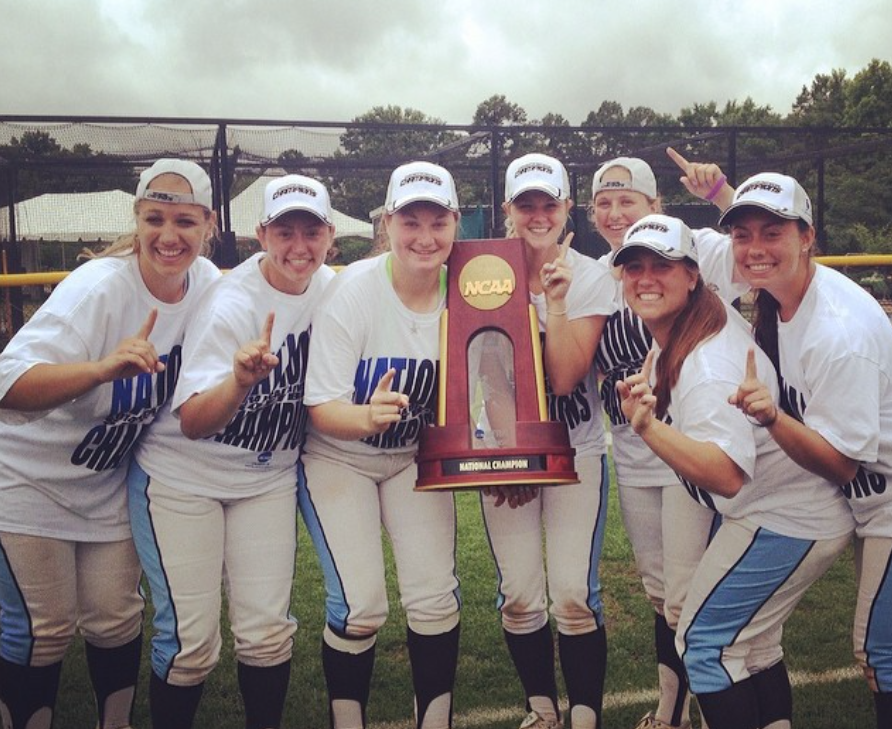
That is why it is not surprising to me as a former college athlete that 94% of C-suite women played sports at one point in their lives. Looking back, the biggest lessons I learned were not about winning championships, although I do enjoy the bragging rights. They were about leadership, resilience, staying healthy, accountability, and believing in myself that I could do hard things.
It has been years since I last wore a uniform but the further I get from my playing days, the more I recognize those lessons are universal. Around the world, sport often becomes one of the first places young people discover their own potential. It also gives people one of their first experiences of belonging as an athlete, a teammate, or a fan.
Sports open the door. It captures attention and builds community. But it also creates moments that make people curious enough to hear a much bigger story. Here at ONE, we have brought that idea to life by highlighting Africa’s innovation, creativity, talent, and opportunity.
The power of sports: On and off the field
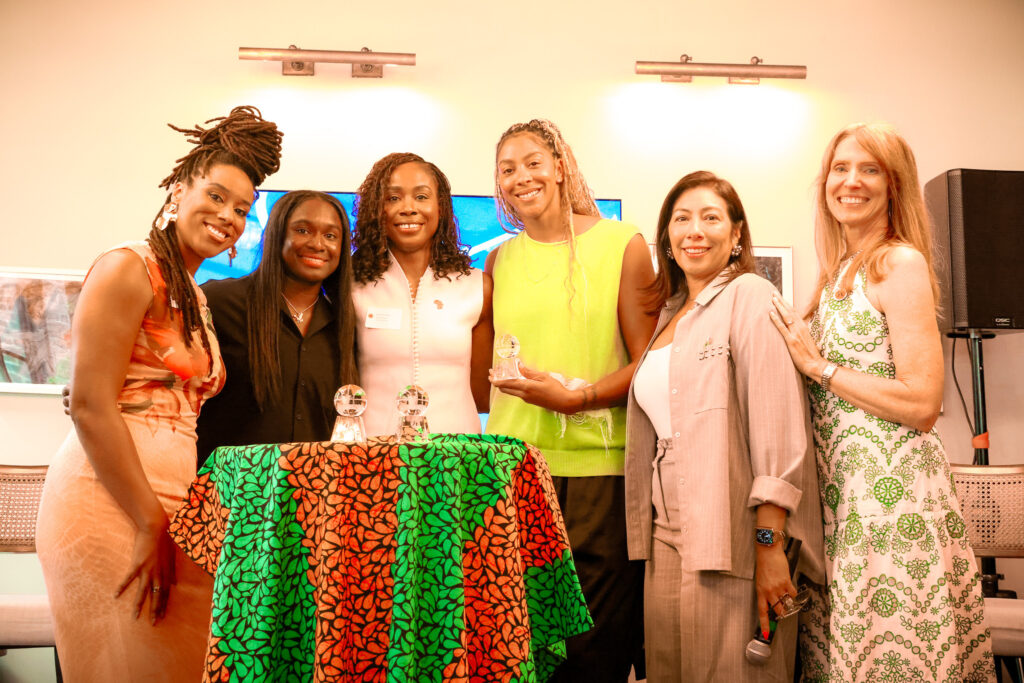
On the sidelines of WNBA All Star weekend, ONE co-hosted an event called Court of Change with PeacePlayers International and Noah’s Arc Foundation to celebrate women using sport to expand opportunities for girls around the world. Our honorees, Candace Parker, Chiney Ogwumike, Sandra Idehen, and Fatima Graves have all taken different paths, but each demonstrated how investing in girls creates ripple effects that extend far beyond the hardwood.
Throughout the discussion, speaker after speaker returned to the same idea: sport doesn’t simply produce athletes. It produces leaders.
It’s all of our responsibilities to pay it forward. To make sure that our kids and our young girls believe in themselves, whether it’s through a game or whether it’s through leadership.” — Candace Parker
Those same values sit at the heart of ONE’s work. Whether we’re advocating for stronger health systems, expanding economic opportunity, or working to ensure more children survive past their fifth birthday, our goal is the same: to help create the conditions for people to reach their full potential.
Culture changes what policy alone cannot.
Sports have always had a unique ability to make people see what’s possible before institutions catch up.
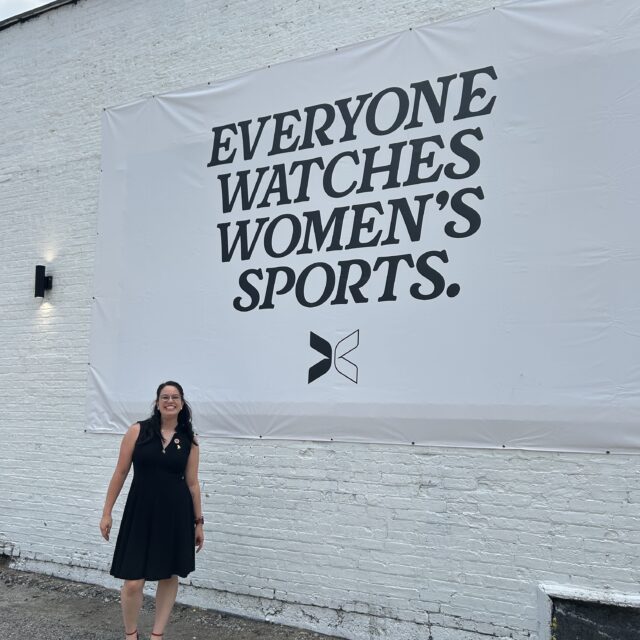
The explosion of women’s sports isn’t accidental. It is the result of decades of athletes, advocates, investors, and leagues refusing to accept that women’s potential was limited by the size of previous investments. That lesson extends well beyond sports.
It’s also why we launched Futuremakers. Through entrepreneurs, scientists, artists, health workers, and athletes, Futuremakers tells a different story about Africa: one centered on innovation, leadership, and opportunity.
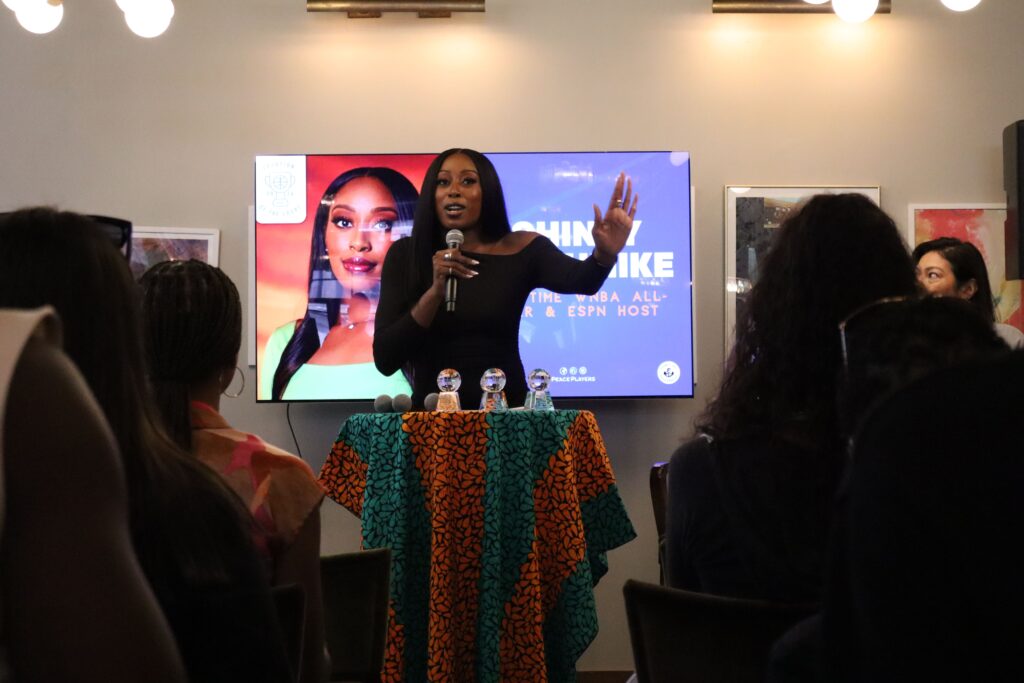
Reflecting on her work with ONE’s Diaspora Creative Council, Chiney Ogwumike described traveling across Africa to meet entrepreneurs, artists, and changemakers whose stories deserve a global audience.
My mom has a saying: tiny drops of water make a mighty ocean.” – Chiney Ogwumike
Her message was simple but powerful: changing perceptions doesn’t happen all at once. It happens through countless conversations, partnerships, and people choosing to use their platforms with purpose.
Sport isn’t a reward after development. It is development.
We often think of sports as something communities focus on after access to health and education are met. In many communities, sports are the doorway to them.
Organizations like Right To Play use sport as an entry point for health education, psychosocial support, and leadership development. Young people come because they want to play and they stay because trusted adults become mentors.
That same philosophy was evident when Pops Mensah-Bonsu, joined ONE in Atlanta for a conversation just days before the World Cup semi final for a conversation on the power of sports across Africa. Mensah-Bonsu, a former NBA player and ONE Diaspora Creative Council member, spoke about Seed Academy Ghana, a non-profit organization he founded that combines basketball camps with off-court life skills, character growth, and community service. Basketball is not simply about developing elite athletes—it’s about building confidence, discipline, leadership, and opportunity that lasts long after the final whistle.
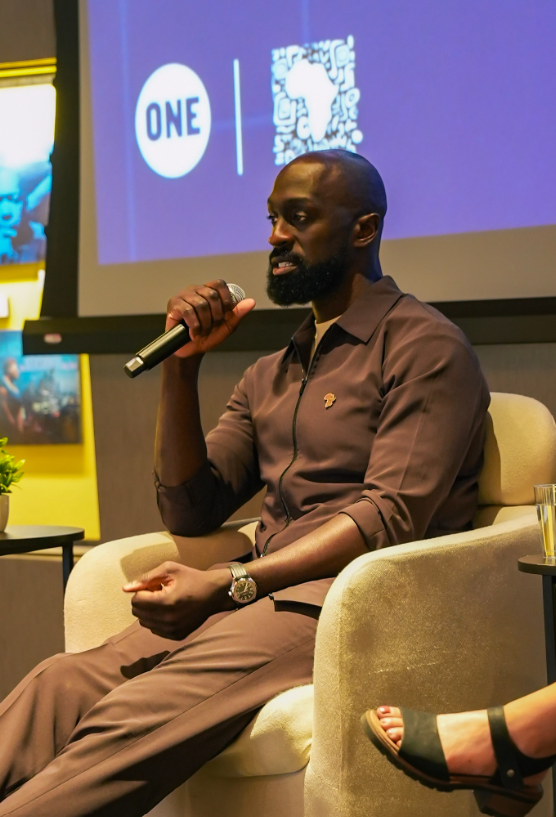
“What we do is aim to democratize that access and level that playing field so everybody has the ability to thrive and to live… I’m taking it upon myself, and what we’re doing in Africa, to make sure that the situation we’re in becomes exactly that, an opportunity. ” – Pops Mensah-Bonsu
Africa isn’t waiting. It’s already building.
The 2026 FIFA World Cup gave millions of people the chance to see Africa through a different lens. For the first time, 10 African countries qualified meaning the continent accounted for a fifth of 2026 qualifiers. African teams and athletes demonstrated the talent, competitiveness, and excellence that have always existed—they were simply performing on an even bigger stage.
During the group stage of the World Cup, ONE partnered with Jeremy Ebobisse, a striker for the Los Angeles Football Club for a TIME op-ed to drive home this point. His piece speaks, not only to the moment and success of African teams in the World Cup, but how that needs to be expanded into how we view African countries and makes the investment case for them. Seeing players like Flo Balogun represent the United States, alongside so many players of African heritage competing for countries around the world, sends an important message to young people everywhere: identity can connect cultures, and potential has no borders.
Those stories are only part of a much larger picture. Across the continent, organizations like Seed Academy Ghana, the Basketball Africa League and BAL4Her, and initiatives that invest in coaches, girls, and young leaders are already building pathways for the next generation.
Sports reveal what is possible.
Looking back on a summer of sports across the country, what I’ll remember most wasn’t a final score or a highlight reel. It was that opportunity often begins in unexpected places—a basketball court, a soccer pitch, a coach who believes in you, or an athlete willing to use their voice for something bigger than the game. Athletes have become some of today’s most trusted cultural voices. Their influence extends far beyond competition, helping more people imagine what’s possible.
That’s not a replacement for policy. It’s often how policy reaches people.