Three years into a forgotten war, a seven-day journey through Port Sudan and Khartoum bearing witness to destruction, and to an extraordinary resilience.
In early April, the ONE North America team traveled to Sudan alongside six journalists. Three years into a war that is largely absent from international headlines, the trip was never only about bearing witness to tragedy. It was about telling the story of a people who refuse to stop hoping. Here is what we saw.
Day 1: Arrival in Port Sudan
Port Sudan International Airport
Landing from Addis Ababa, it is immediately clear that Port Sudan airport was never intended to be the international hub it has become. Small and chaotic, hundreds are crammed into a tight arrival and immigration hall.
People are just happy to be alive. Since the RSF was pushed out of Khartoum, everyone looks for an excuse to celebrate everything.
We first met with Sulaima Sharif, head of the Violence Against Women Unit at the Ministry of Social Development. She was open and candid about the struggles since the war began and about her choice to stay in Sudan when she could have left.
Despite collective trauma, she said, the social fabric remains strong and neighbors look out for neighbors. Every milestone is marked with celebrations that might seem over the top until you understand what they have survived.
Day 2: History Looted, History Made
Khartoum National Museum
A visit to Khartoum’s national museum reinforces the richness of Sudanese culture largely unknown to outsiders. Just south of Egypt, Sudan is home to more than 300 pyramids and thousands of years of artifacts. Or it was.
Over 4,000 objects are now missing from the national museum and some have turned up for sale on eBay.
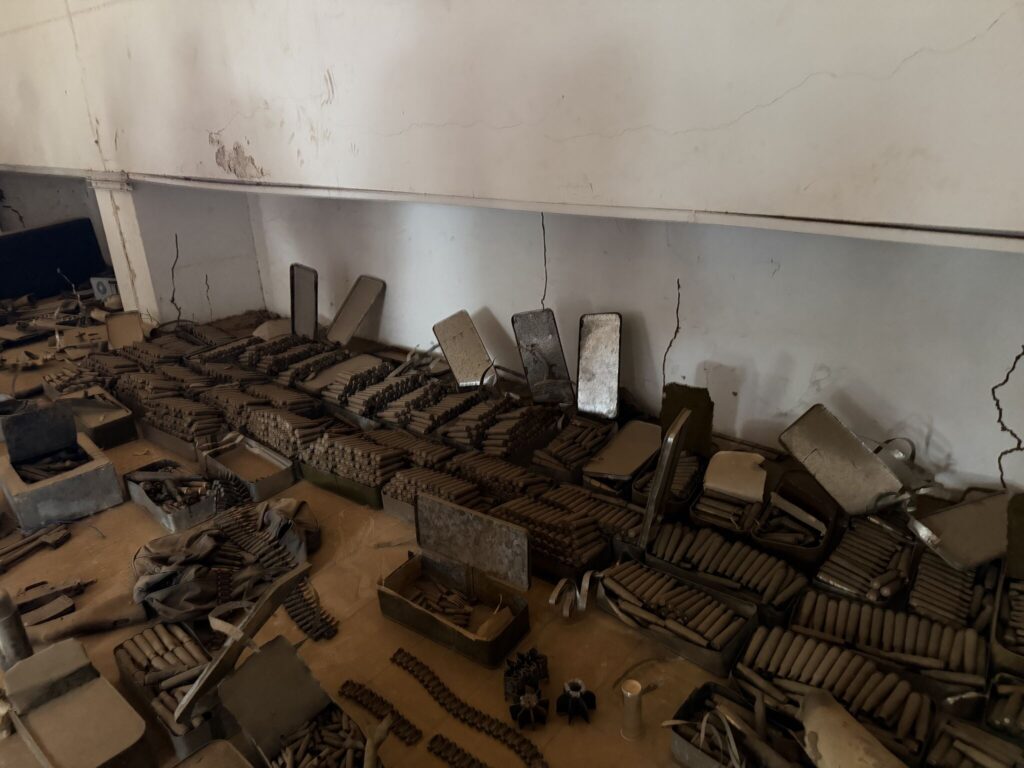
The museum is now also home to a more modern exhibit: the artifacts of war. Thousands of rounds and shells, piled in a single room are all found on or around the museum grounds.
Day 3: The Government’s Plea and a Doctor Who Stayed
Khartoum
The third day was packed with meetings: the governor of Khartoum, the Prime Minister of Sudan, the Ministry of Health, and BBC 100 Women honoree, Dr. Safaa Ali. The message from government was unambiguous, UAE funding of the RSF is undermining peace, and frustration with the international community’s perceived equivocation between the SAF and RSF ran high.
Our meeting with the Ministry of Health put the humanitarian funding gap into focus, they estimate a need of $2.9 billion for 2026 but less than 14% is secured. Outbreaks of cholera, measles, and polio continue across the country. Of Sudan’s 50 million people, 25 million are in urgent need of humanitarian support. But cuts from many countries, including the US, have been devastating.
We ended the day with the most personal account of all: a doctor who sent her family to Cairo and stayed behind. She delivered babies and cared for victims of gender-based violence. A colleague died from a shrapnel wound in front of her. She delivered a baby after the mother was shot in the abdomen, the bullet grazing the newborn and resulting in a broken arm at birth. She stayed through all of it.
Day 4: Al Afad Camp, Where 25,000 People Wait
Al Dabba, Northern Sudan
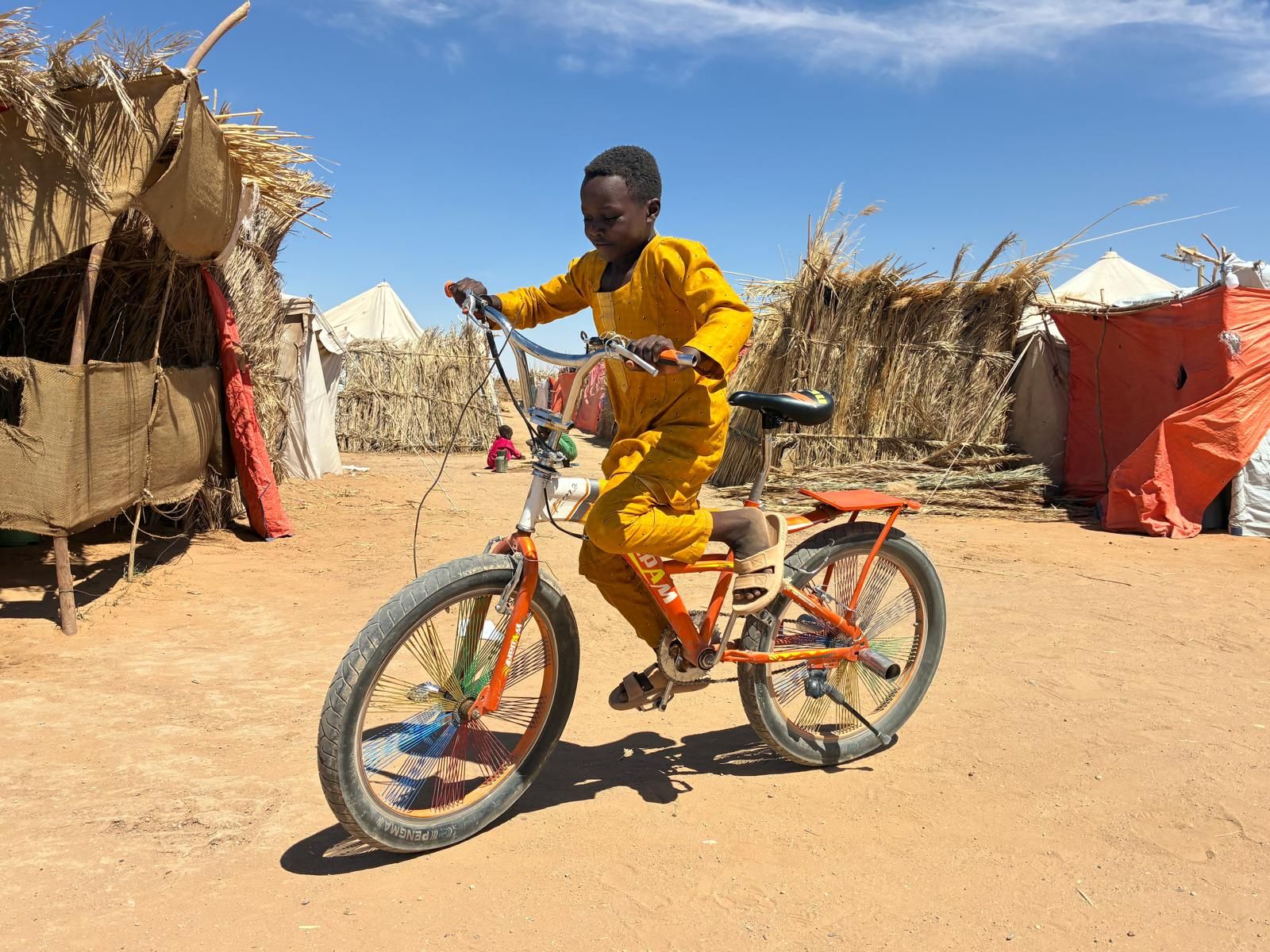
Five hours north of Khartoum, Al Afad Camp is home to roughly 25,000 internally displaced persons, most of them fleeing El Fasher after the RSF’s takeover of the North Darfur state capital.
Conditions at the camp are bleak: There are 1,500 school-age children for just 2 schools that can accommodate only 450. The camp needs 1,000 bathrooms and has 200. It is no longer accepting new arrivals; it simply cannot absorb more.
What struck us was the absence of American flags. No “From the American People” logos. Signs of assistance from the UN, Qatar, and Kuwait were visible, but not the United States. Most residents, including farmers, teachers, engineers, medical workers who have lived in the camp for more than six months, hope to return home when the militias leave.
Day 5: Nafeer, Palaces, and Fresh Graves
Khartoum
We began our day with civil society activist Duaa Tariq, one of the founders of Sudan’s Emergency Response Rooms (ERRs). ERRs were inspired by the Sudanese practice of nafeer, or mutual aid. On the second day of the war, neighbors gathered whatever food they had and cooked for the community. People fleeing the city also donated food as they left.
Now operating in 15 states across 93 projects, ERRs have evolved from emergency feeding into healing and recovery as safe spaces for women and childcare so mothers can work and rest. Duaa embodies the resilience we encountered again and again, particularly among Sudanese women.
The juxtaposition is stark. Immense bravery and hope, set against scenes of horrific destruction. This is Sudan.
We walked through both the old and new Presidential Palaces, where the fighting began on April 15, 2023. The offices of General Burhan and Hemedti sit just one floor apart; they served together in the transitional government before turning on each other. In the debris and ashes, I spotted a skull, likely a pet dog.
We then visited two churches riddled with bullet holes. One leader lifted his trouser leg to show us where an RSF soldier had shot him. In the graveyard, many graves were fresh, including some from bodies recently exhumed from mass graves and reburied with dignity. Others were existing graves dug up by the RSF during their occupation, militiamen searching the bodies of the dead for gold and gems.
Day 6: Burnt Planes, Bridge Classrooms, and a House Still Standing
Khartoum & Port Sudan
In addition to the Presidential Palace, the war also broke out simultaneously at the airport. Commercial air travel between Khartoum and Port Sudan only resumed on February 1. On the bus from the terminal to the tarmac, you can see the burnt-out hulls of planes. The airport road remains closed for repairs.
We visited a UNICEF makanna, a bridge school for children who have been out of education for two or three years. When we arrived, children were shouting ABCs and 123s. A group of girls near the back motioned us over. One girl, perhaps nine or ten, was too shy to speak out loud. She whispered to the staffer beside her. I saw tears form before I heard the translation. She had fled Kordofan with her family. They had to leave her father behind. She misses him and wants to go home.
Later, a staff member who had returned to Sudan three months ago told us she went back to Khartoum for the first time just last week. Tears streamed down her face. The house had been completely looted.
Then she paused: “But at least it is still standing. Others were not so lucky.”
Day 7: Child Soldiers, a Church School, and America’s Absence
Port Sudan
Our final day closed with two visits. First to Rakeyzah Interactive, a women’s empowerment organization that relocated from Khartoum to Port Sudan after the war. Their mission expanded unexpectedly when they were asked to shelter four former child soldiers. Over several months, they introduced the boys to art and music as tools for healing. Three of the four have been reunited with their families. They are still searching for the family of the fourth. Both sides use child soldiers, so the longer the conflict persists, the more children will be at risk.
We then visited a school run by a church. The principal, a member of the Sudanese Council of Churches, speaks excellent English but chose to speak Arabic throughout our meeting, so that the Sudanese government representative present could follow everything. “I have nothing to hide,” he said. It was, perhaps, the most telling moment of the trip.
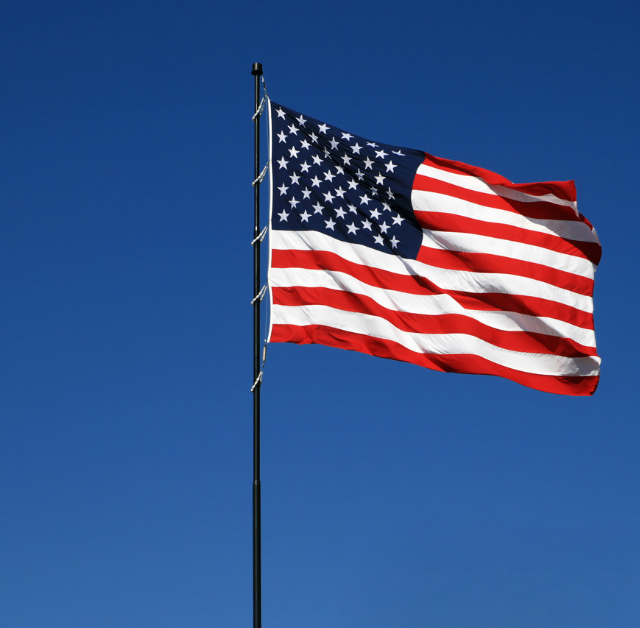
As we departed, we had seen the flags of the UK, EU, Germany, and Qatar at nearly every site we visited. Not once did we spot an American flag or symbol of US assistance.
No doubt US money flows into Sudan, through UN agencies, GAVI, the Global Fund, and visiting Sudanese American physicians performing surgeries. But the presence is invisible, and the need for lifesaving assistance is beyond dispute. Yet humanitarian aid alone will not end this war.
A political solution is required, and it is hard to see how one is reached without strong US leadership to convene the growing list of domestic and regional actors entangled in the conflict. Sadly, the United States is nowhere to be seen, literally and metaphorically.
Looking for a way to get involved? Email Congress today and demand they act now.
Go behind the scenes of our trip by watching the video and featured articles below.
- The Africa Report: ‘We’ve won this war’: Inside the Sudanese army’s quest for legitimacy
- The Africa Report: Trump ‘has the power’ to end Sudan war with sway over UAE
- The Africa Report: Snubbed Sudanese PM promises ‘total failure’ of Berlin conference
- The Hill: Sudan’s prime minister claims victory; counts on Trump for peace
- The Hill: Sudan’s refugees endure brutal sanctuary in the desert
- Focus Plus: The greatest humanitarian catastrophe of our time
- Christianity Today: Sudan’s Civil War Destroyed Hospitals and Churches
- Christianity Today: Displaced Sudanese Lack Food, Latrines, Health care
- Christianity Today: In Sudan’s Brutal War, Churches Can’t Provide Sanctuary
- Christianity Today: Sudanese Civil War Fractures Refugee Families
- The Christian Broadcasting Network: Sudan’s Forgotten War: CBN’s Rare Access Inside the World’s Worst Humanitarian Crisis