For millions of people worldwide, access to essential medicines and healthcare can make the between life and death, and between a life constrained by illness or one filled with possibility. When communities are protected from infectious diseases, people can work, children can go to school, and economies can thrive.
Over the past two decades, the world has made remarkable progress in the fight against AIDS, tuberculosis (TB), and malaria – progress largely made possible by the Global Fund to Fight AIDS, TB and Malaria.
Since 2002, this unique partnership, bringing together governments, civil society, the private sector, and affected communities, has saved over 70 million lives and cut the combined death rate from AIDS, TB and malaria by 63% in the countries where it invests.
The EU has championed the Global Fund’s work since its inception and invested heavily in making these results a reality. This partnership like no other shows what is possible when we work together for a healthier world.
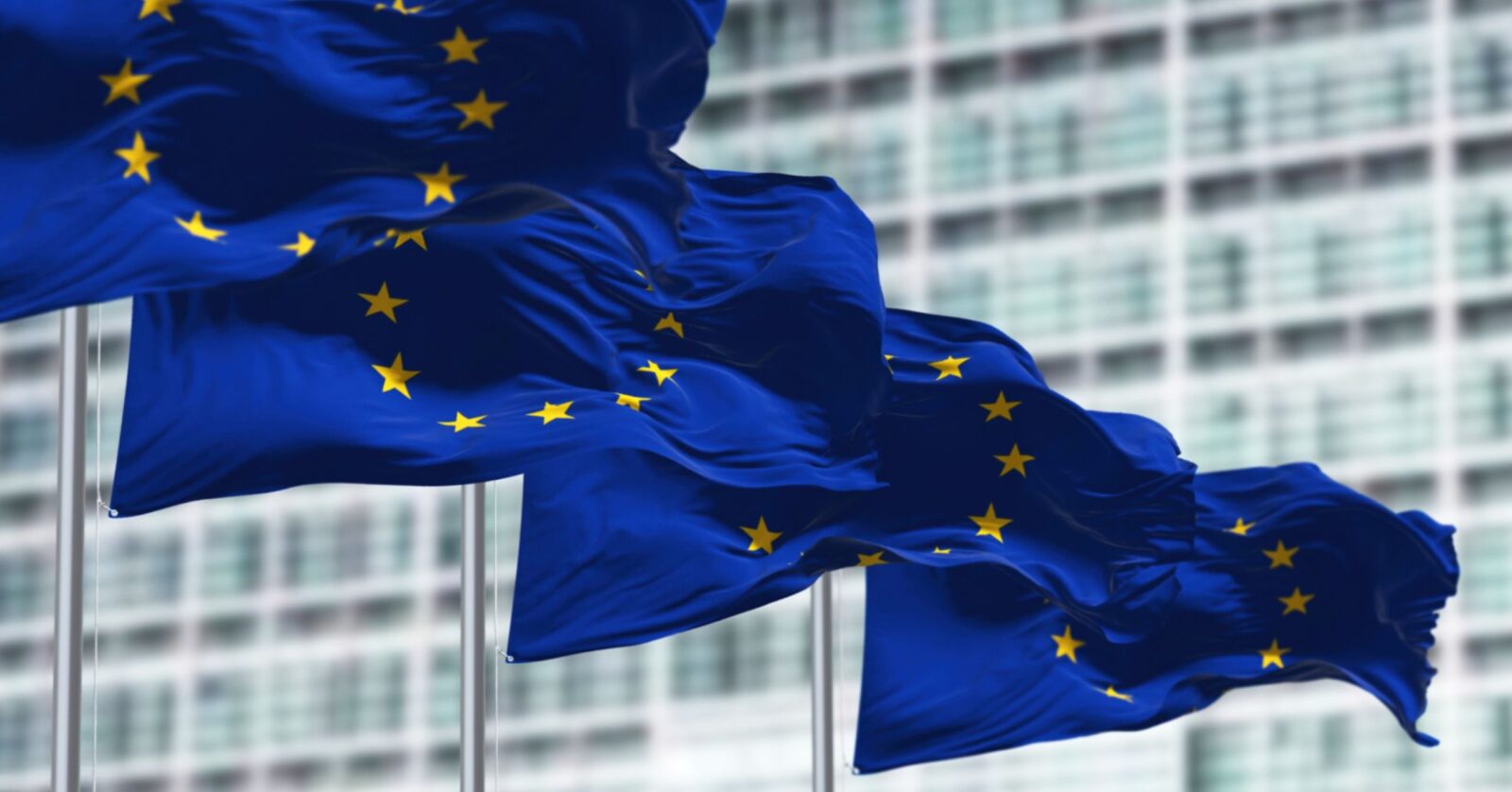
As the Global Fund prepares for its next replenishment conference in November, now is a critical moment to accelerate this progress and the EU faces a defining choice. The EU must commit to investing €800 million at the upcoming replenishment; a smart, strategic investment in shared prosperity and security.
If the Global Fund’s replenishment were reduced by 20%, Africa could lose $30 billion in GDP and 330,000 lives by 2040, while millions more would fall ill. Committing €800 million would be an investment in a future free from these devastating epidemics. This investment would mean:
- >1.1 million lives saved* from AIDS, TB, and malaria,
- >19 million new infections or cases averted* across the three diseases,
- >€16 billion in economic returns* through health gains created – a powerful demonstration that health is the foundation of prosperity,
- >1.4 million people placed on life-saving antiretroviral therapy* for HIV,
- >116,000 mothersgiven medicines to stop HIV* being passed to their babies,
- >98 million mosquito nets provided* to protect children and families from malaria.
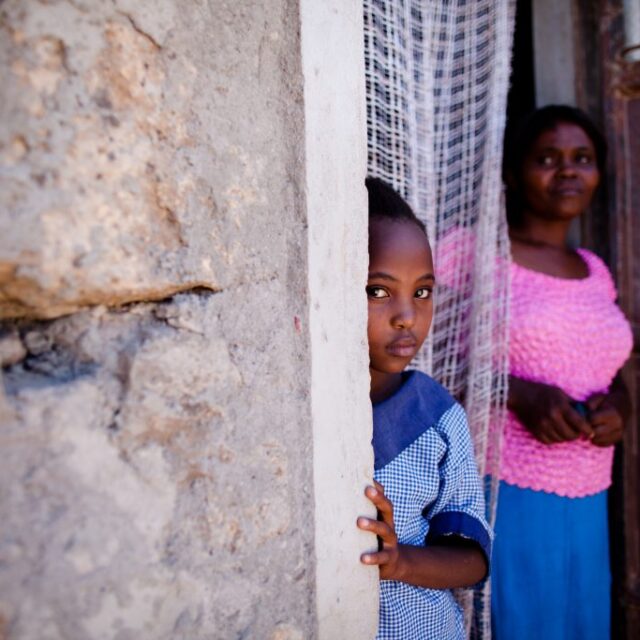
Beyond numbers, these are mothers protected, children in classrooms, and communities thriving. It shows the incredible return on investment when the EU chooses to lead on global health.
Want to make sure the Global Fund can keep doing this crucial work to end AIDS, TB, and malaria? Then help us raise awareness about the Global Fund’s impact and make sure decision-makers commit to the vital €800 million target at the November replenishment. Share this post now!
*These estimates are illustrative and derived from the modelling conducted for the Global Fund 2026–2028 Investment Case, which estimates impact per US$100 million invested. To calculate these figures, the Global Fund assumes:
- The current disease split in the allocation model (HIV, TB, malaria);
- A direct linear relationship between funding and results; and
- A fixed overhead deduction of 5.6%, already reflected in the estimates.
The resulting impact figures represent the contributions of Global Fund investments to national programs and are therefore attributable to the collective partnership, not to individual donors. Pledge/ask amounts denominated in local currencies are converted to US dollars using the average exchange rate between January and September 2025, to minimize volatility from daily spot rates and better reflect each donor’s prevailing economic context.