Key Innovations in Scandinavian Health Aid
There are many success stories that can be viewed as a result of Scandinavian investments in global health. Together, these illustrate the range of Scandinavian contributions and indicate what may be at risk if funding comes under even greater pressure.
Makerere University
This November, the Karolinska Institutet and Makerere University celebrated a 25-year partnership that has focused on strengthening sustainable health through joint education and research.
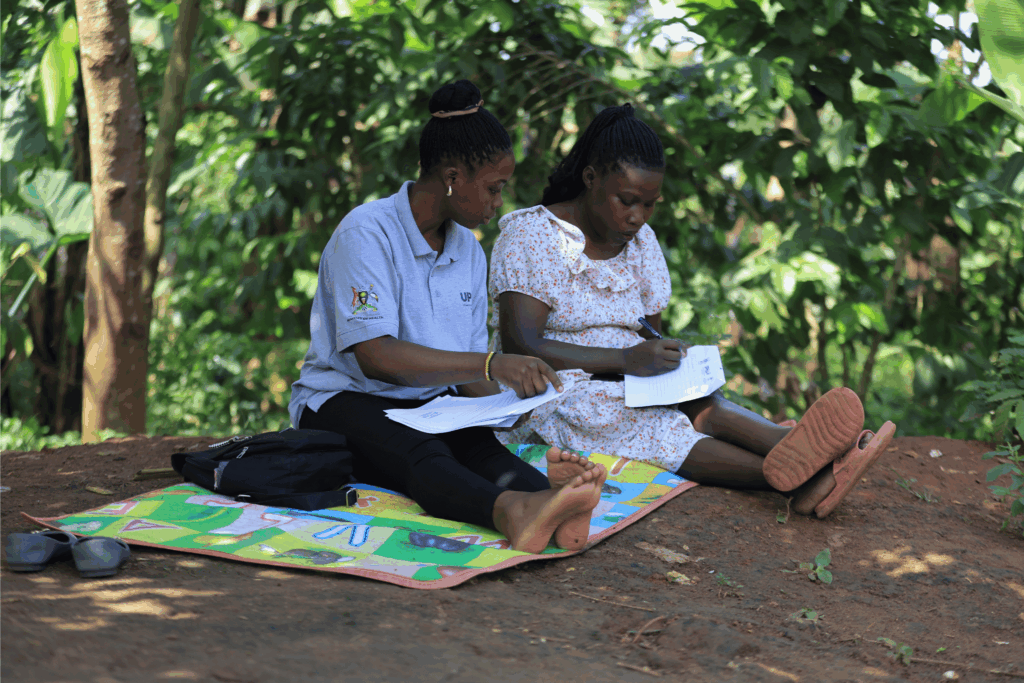
The Karolinska Institutet, supported by the Swedish International Development Agency (Sida), funded the partnership, and Swedish academic leadership allowed for effective transfer of knowledge and capacity building in Africa. The collaboration has established a new cadre of local experts in global health with PhD graduates all educated in Uganda. Advanced research has focused on addressing public health priorities such as HIV/AIDS, sexual and reproductive health, and infant care, and innovations in midwifery.
The partnership has supported over 40 PhD students, produced more than 500 peer-reviewed publications and funded the exchange of some 400 students and lecturers between the two universities. In 2021, the Centre of Excellence for Sustainable Health was established at Makerere University, which now functions as a regional knowledge hub on global health issues for neighboring countries.
DHIS2
DHIS2 is a free, open-source, web-based software platform that supports health authorities in managing health data to enable decentralized and evidence-based decision-making. It was developed by the Health Information Systems Programme (HISP) Centre at the University of Oslo, with core funding from Norad. The Centre continues to coordinate the development of the core software as a digital public good.
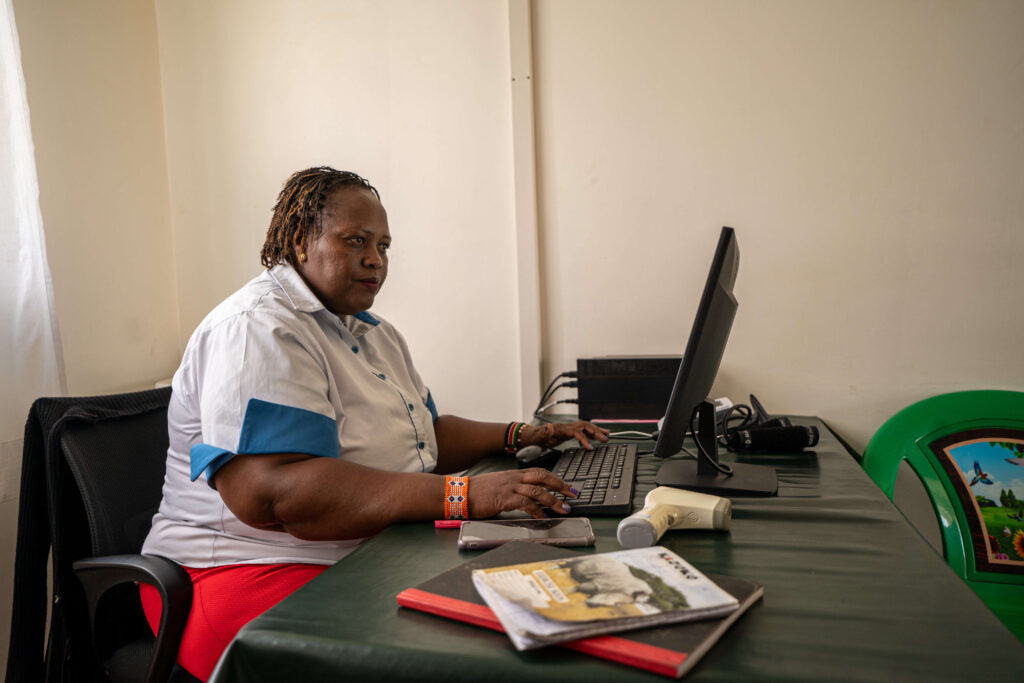
The collection, analysis, and reporting of health data are an important cornerstone for achieving advances in global health, providing the ability to monitor and evaluate the impact of interventions in areas such as immunization, HIV/TB and malaria control, and maternal and child health.
The system has evolved into the world’s largest Health Management Information System. As of 2023, 73 low- and middle-income countries had implemented DHIS2 as their national HMIS, covering approximately 3.2 billion people1. All African countries use the open-source tool.
Safe Delivery App
The Safe Delivery App, developed by Denmark’s Maternity Foundation2 in collaboration with the University of Copenhagen and the University of Southern Denmark, provides instant access to life-saving instructions and guidelines for health workers attending to pregnancies and deliveries.
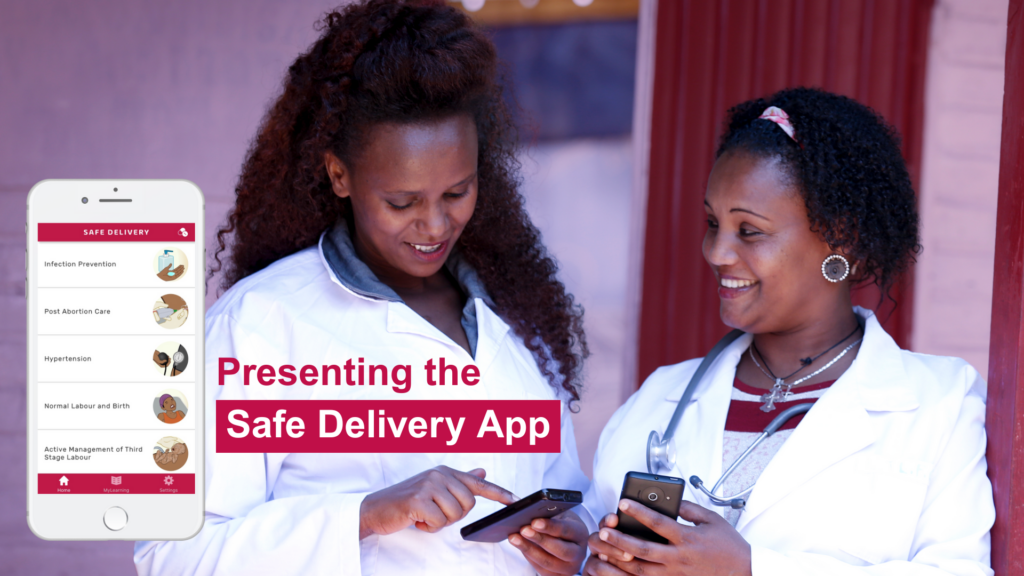
The app includes animated video guides on how to address problems such as prolonged labor, hypertension and maternal sepsis, as well as the resuscitation of newborns. All information is based on WHO clinical guidelines and is designed to address the most common causes of preventable maternal death, including severe bleeding and infections. Health workers also have access to a list of common drugs associated with childbirth, with information on recommended dosages and side effects.
The app is free of charge and works offline, allowing healthcare professionals to access the information in settings where there is no internet. The app has reached over 500,000 midwives and other healthcare professionals across more than 70 low- and middle-income countries.3
Footnotes
- DHIS2.org/in-action
- https://www.maternity.dk/
- https://www.maternity.dk/our-impact/