From Purpose to Partnership
The Role of Scandinavian Contributions in Shaping a Better Future for Global Health
Executive Summary:
The Scandinavian nations of Denmark, Norway, and Sweden have long been vital to advancing global health innovations across the world rooted in cultural norms and a regard for human rights and universal access to health care, especially for women and children. Scandinavian investments have improved health outcomes for women and children across Africa by promoting partnership, local capacity, and widespread medical innovations.
2025 saw a shift in the role of global Official Development Assistance (ODA) especially for health care financing across Africa. As the world continues to address these changes and the resulting impacts on beneficiary nations, the role of longtime leaders in global health resourcing is critical to continued impact. At the same time, this moment provides a window of opportunity for development innovation that faces the realistic implications of less donor funding and pushes beneficiary nations to finance their own commitments.
To discuss the issue, the ONE Campaign, in partnership with Leidar and the Gates Foundation, developed a report outlining key drivers in the success of Scandinavian investments to advance global health outcomes, and explore their impact on health resilience, especially in Africa. Using evidence gathered from ONE data, external research, and interviews with key Scandinavian and African stakeholders involved in global health assistance, the report discusses the evolution and key drivers of Scandinavian global health aid, showcases examples of successful aid impact and results from projects across Africa, and discusses ongoing global ODA challenges providing commentary on avenues for reform and innovation moving forward.
Interviewees of the report suggest four key findings:
1) Multilateral funding is a key driver in Scandinavian aid success, especially as the global health financing context becomes more constrained
2) Women’s health, Sexual and Reproductive Health and Rights (SRHR), and child health are seen as enduring areas of Scandinavian comparative advantage
3) Impact can be seen in large-scale population outcomes and more targeted, solution-driven contributions, rather than strict donor attributions
4) With less ODA available, future Scandinavian aid must be used more selectively, without stepping back from proven life-saving interventions
Based on report findings, ONE urges Scandinavian governments to:
- Integrate global health and regional security strategies, which recognizes health as a core component of resilience, preparedness, and long-term stability for Scandinavia and beneficiary nations alike
- Strengthen Nordic cooperation and partnership to protect health gains and advance collective action to derisk declining flows of aid to the African continent
- Maintain sustained leadership in global health, especially for women and families
- Model Sweden’s global health ambassadors program more broadly across Norway and Denmark
ONE supports these global actions to improve health financing across Africa:
- Strengthen public-private partnerships in which African governments work more with the private sector, philanthropy, diaspora, civil society, and investors to unlock financial capital for health that leverages strengths across sectors.
- Help drive the understanding that health infrastructure and service delivery is an economic driver with African stakeholders in public health and finance.
- Place African voices at the center of addressing African problems and enabling solutions.
- Work with the diaspora to strengthen commitments to African health infrastructure and service delivery.
Key tables:
Table 1: Global ODA funding – Denmark, Norway, Sweden 2020 – 2024 (bln US$) shown as ranking of top 20 ODA donors.
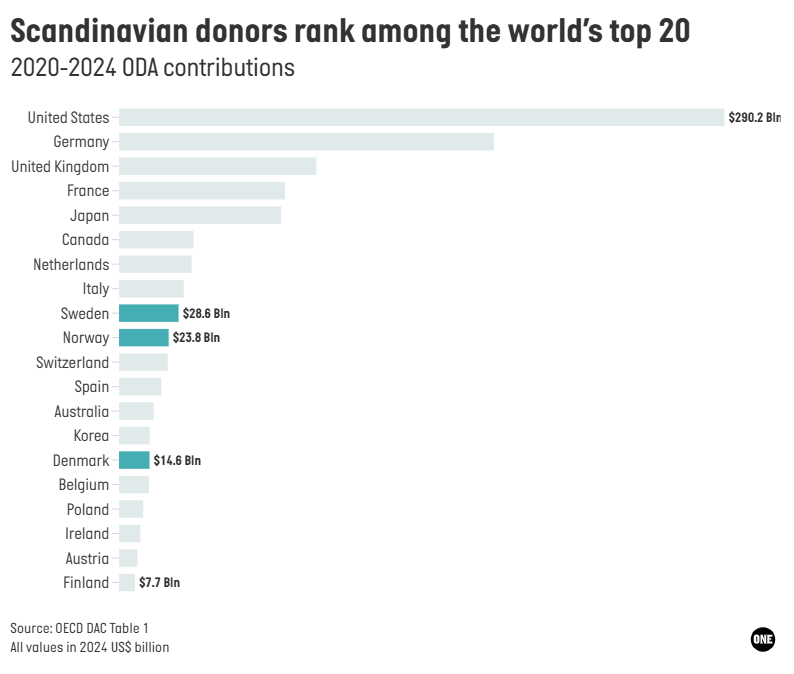
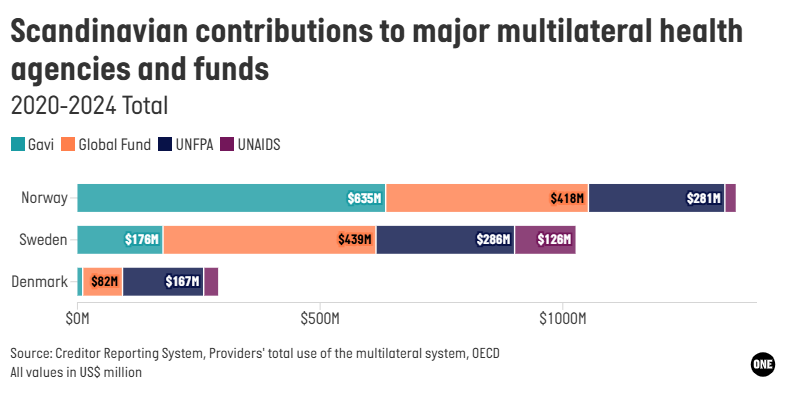
Table 2: Scandinavian contributions to Multilateral Global Health Initiatives 2020-2024
Key innovations in Scandinavian health assistance
Makerere University
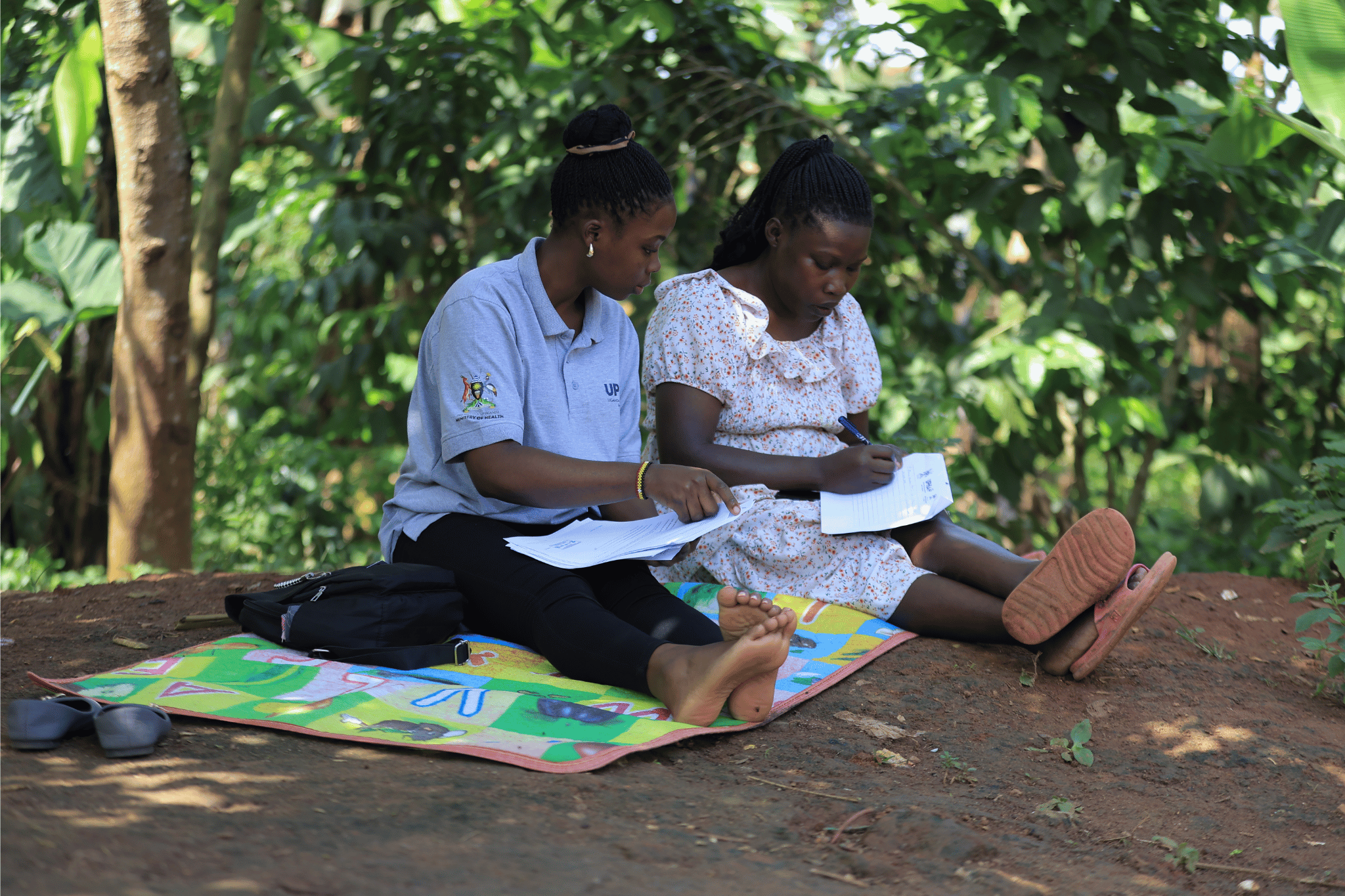
This November, the Karolinska Institutet and Makerere University celebrated a 25-year partnership that has focused on strengthening sustainable health through joint education and research.
DHIS2
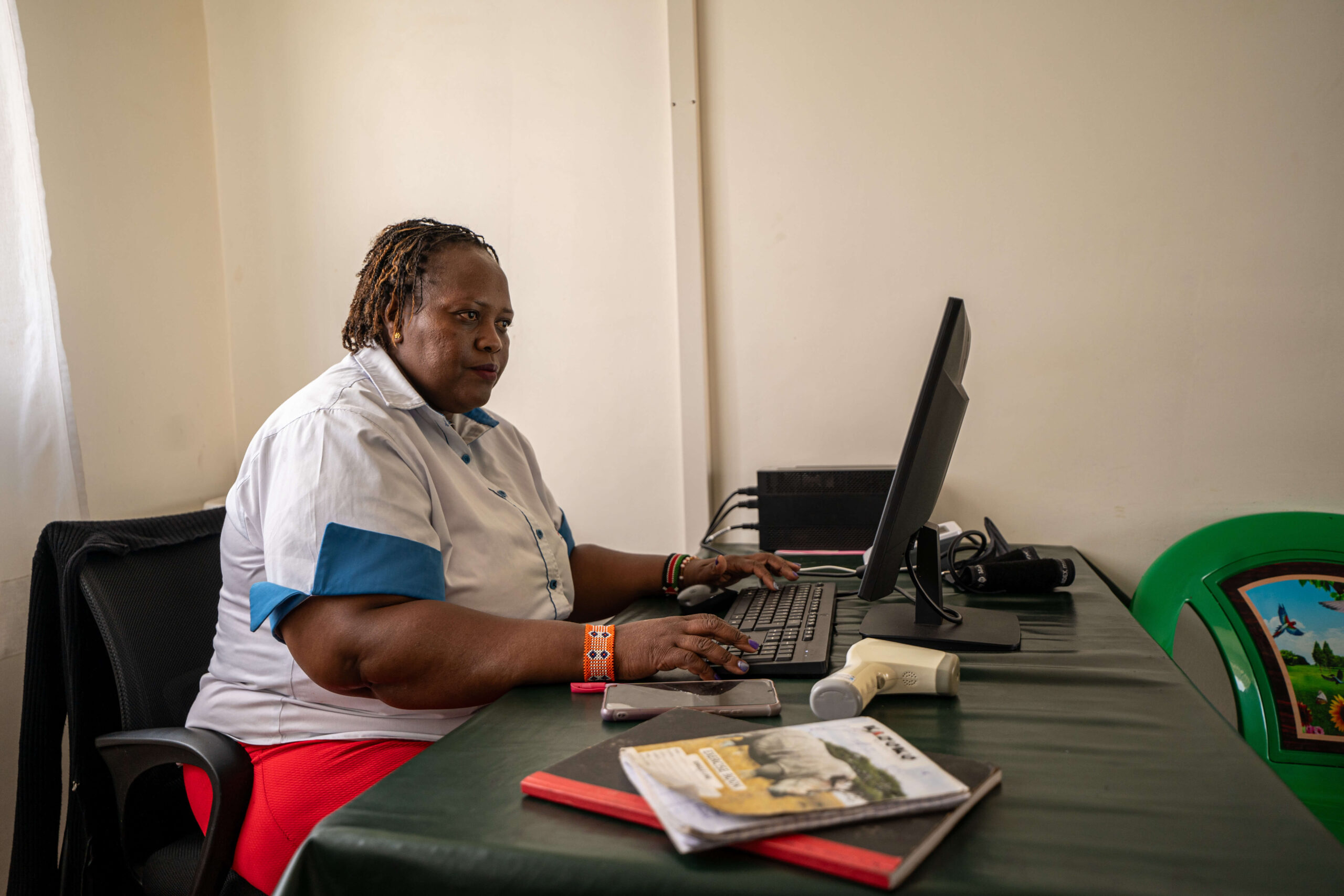
DHIS2 is a free, open-source, web-based software platform that supports health authorities in managing health data to enable decentralized and evidence-based decision-making.
Safe Delivery App
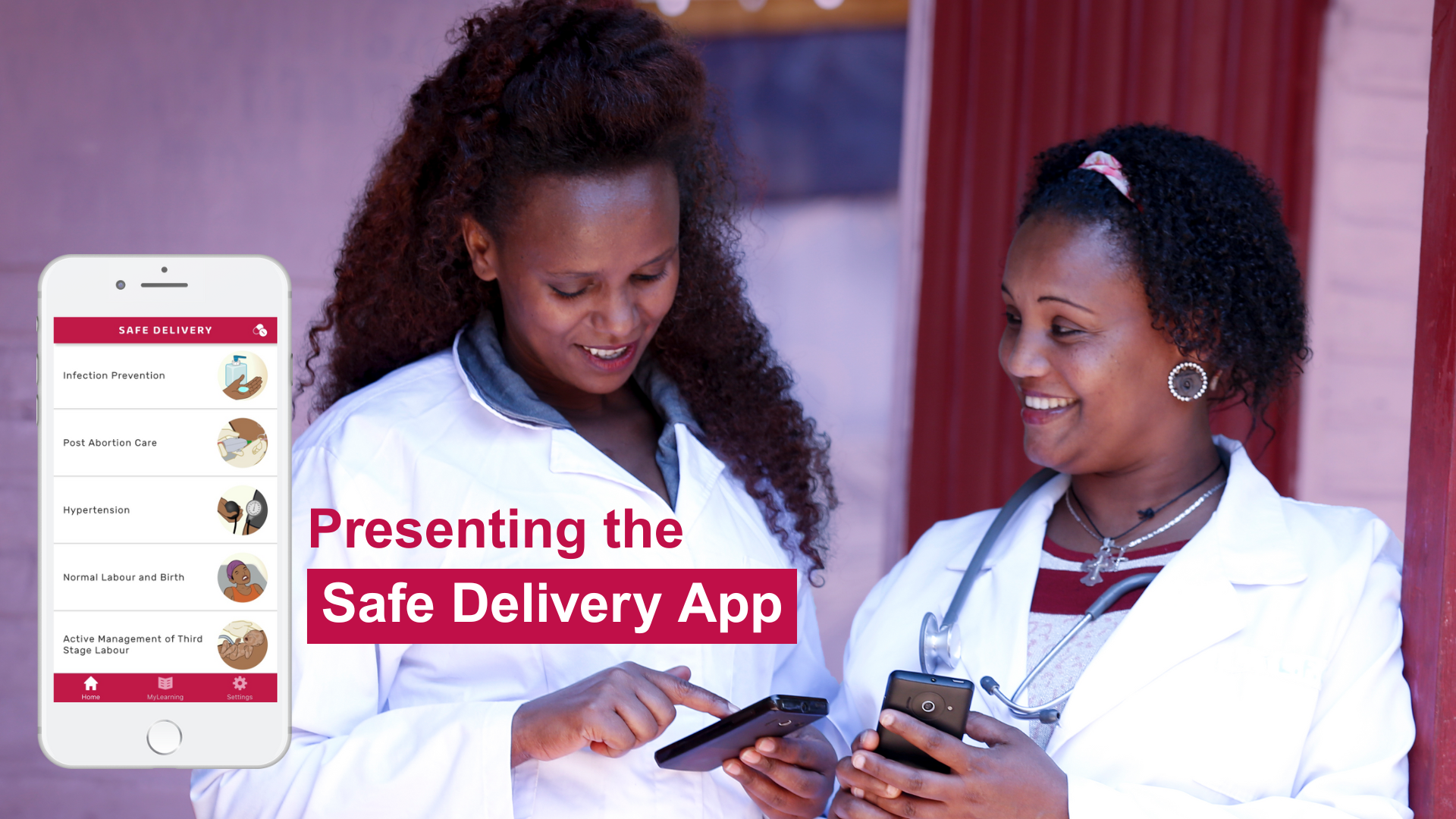
The Safe Delivery App, developed by Denmark’s Maternity Foundation in collaboration with the University of Copenhagen and the University of Southern Denmark, provides instant access to life-saving instructions and guidelines for health workers attending to pregnancies and deliveries.